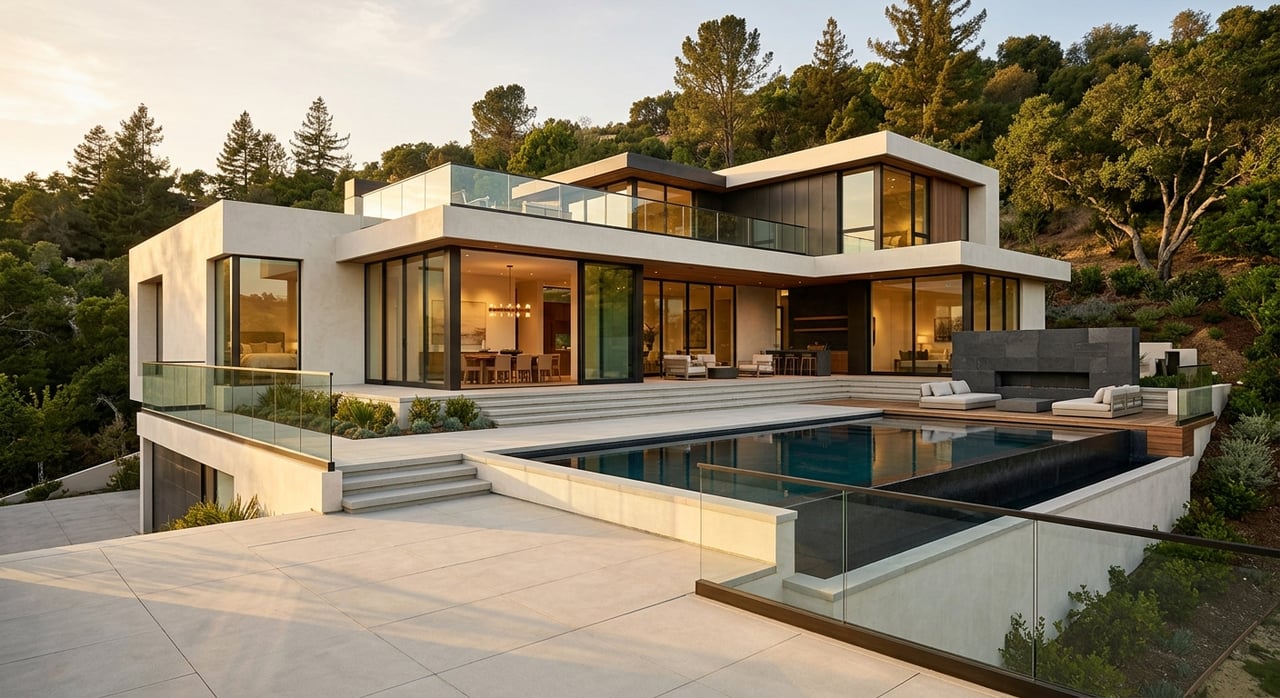
Wondering whether Bel Air means soaring hillside privacy or a more connected canyon setting? In this part of Los Angeles, the answer depends less on the ZIP code and more on the exact parcel, road, and topography. If you are comparing homes in Bel Air, understanding that difference can help you choose the lifestyle that fits you best. Let’s dive in.
Why Bel Air Feels So Different
Bel Air sits within the Bel Air-Beverly Crest Community Plan area, roughly bounded by Mulholland Drive to the north, the 405 to the west, Sunset Boulevard and Beverly Hills to the south, and Laurel Canyon Boulevard and Wonderland Drive to the east. The area spans about 9,900 acres and is largely made up of single-family homes. It also includes canyon- and hillside-related areas such as Beverly Glen, Coldwater Canyon, Benedict Canyon, and Laurel Canyon.
That geography shapes daily life in a very real way. The City describes the area as defined by hills and canyons, with streets that follow the land instead of a traditional grid. In Bel Air, the home itself is only part of the decision. The lot, the road approach, and the view corridor matter just as much.
Hillside Living in Bel Air
Hillside estates are what many buyers picture when they think of classic Bel Air. These homes often sit on larger lots, are set back farther from the street, and are oriented toward views rather than curbside visibility. Many properties are also screened by walls, gates, shrubbery, or the slope itself, which can create a stronger sense of privacy.
For you, that often means a more secluded day-to-day experience. Arriving home may feel quieter and more removed, especially on streets where homes sit above the roadway or behind longer approaches. If privacy, estate scale, and panoramic outlooks are high on your list, hillside properties often deliver that signature Bel Air feel.
What buyers often like about hillside homes
- Greater separation from the street
- Stronger view orientation
- Larger estate-style lots in some sections
- More screening through topography and landscaping
- A stronger sense of retreat
That said, hillside living can come with tradeoffs. A spectacular slope may limit how much flat outdoor space you actually have. In some cases, the most usable terraces, pool decks, and entertaining areas depend on prior engineering, thoughtful design, and existing permits.
Canyon Living in Bel Air
Canyon settings tend to feel more intimate and more shaped by the land. The City describes Beverly Glen, for example, as a curving corridor between Sunset Boulevard and Mulholland Drive, with housing more closely arranged along the street and more dispersed on side lanes. It also notes convenience-oriented commercial activity in Beverly Glen Canyon and other nearby nodes.
For you, canyon living can feel a bit more connected to neighborhood access points. Depending on the pocket, you may be closer to local errands and more directly tied into the rhythm of the street. That can be appealing if you want Bel Air character with a slightly more grounded, day-to-day sense of movement.
What buyers often like about canyon homes
- A more neighborhood-scaled feel
- Closer access to some convenience-oriented services
- Streets that can feel more connected to daily routines
- A distinctive topography-driven setting
Canyon homes are not one-size-fits-all, though. Some streets are compact, while others feel tucked away and highly private. The key is to look beyond the address and focus on the exact road, lot shape, and how the home sits on the site.
Access Can Change Your Experience
In Bel Air, access is one of the biggest lifestyle factors to evaluate before you fall in love with a home. The Community Plan notes deficiencies in north-south arterials and freeways crossing the area, and says the community does not have arterial capacity for projected automobile demand. It also points out that Mulholland Drive is the only east-west street linking the area end-to-end.
The same plan says steep hillsides and canyons create narrow, winding roads with limited access or dead ends. That matters because your morning departure, guest arrivals, vendor access, and everyday convenience can feel very different from one micro-location to the next. A home deeper in a canyon may offer more seclusion, while a home closer to Sunset, Sepulveda, or the 405 may feel easier to reach.
Questions to ask about access
- How many turns and narrow stretches are between the home and a main road?
- Is the property on a private street or in a gated community?
- Does the street end in a cul-de-sac or dead end?
- How direct is the route to Sunset Boulevard, Sepulveda, or the 405?
- Will visitors, service providers, or deliveries have straightforward access?
If you are relocating from another market, this is especially important. Two homes may look similar online, but the drive pattern can make them feel completely different in daily life.
Outdoor Living Depends on the Lot
Bel Air has a long history of development shaped by views, winding streets, planted landscapes, and preserved topography. The Community Plan is especially clear about conserving scenic character, protecting open space, minimizing grading, and preserving natural landforms. That means outdoor living potential is often tied directly to the lot’s shape and what has already been built or approved.
If you want a broad lawn, expansive pool deck, or easy entertaining terrace, flatter pads usually offer the most straightforward path. Steeper sites can still be stunning, especially for view homes, but the usable outdoor area may be more limited or more dependent on engineered terraces. In other words, a large lot on paper does not always equal a large usable yard.
Look closely at usable outdoor space
When touring, pay attention to:
- Flat pad area versus sloped area
- Existing terraces, retaining walls, and decks
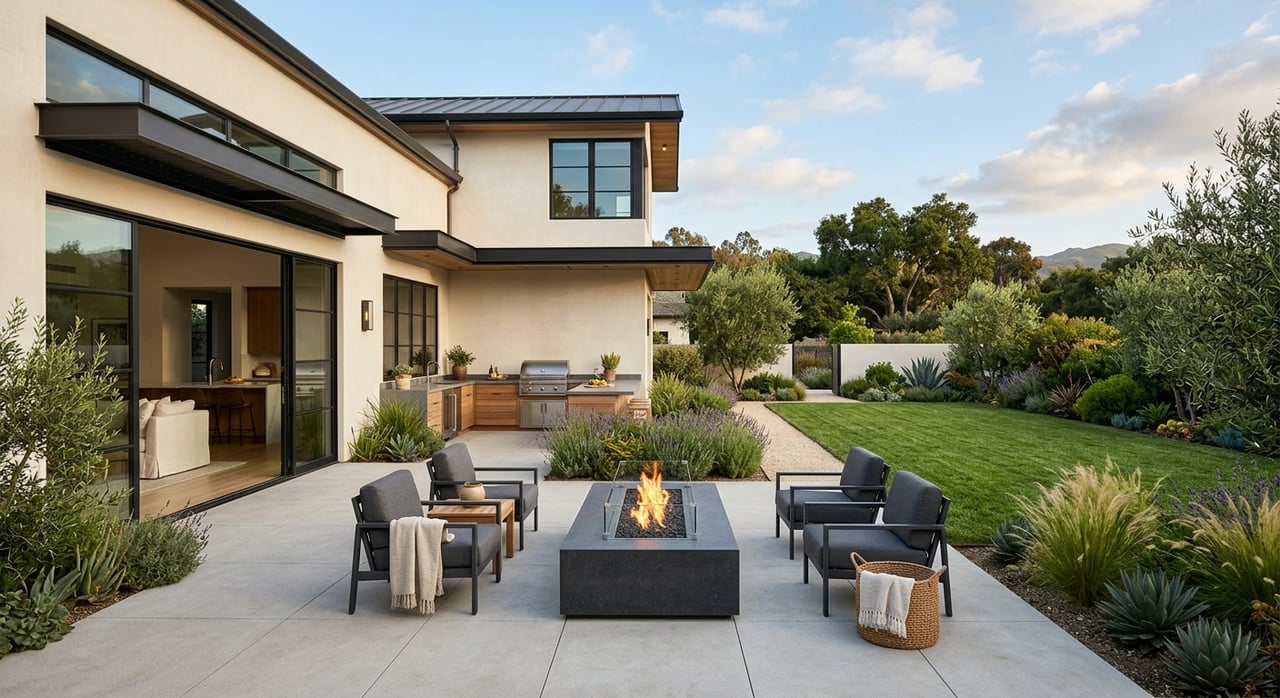
- Pool placement and how the yard connects to the house
- Guardrails, stairs, and level changes
- Whether outdoor space feels practical for how you want to live
This is one of the biggest differences between hillside and canyon choices. A home can have dramatic beauty and still function very differently depending on how much level, accessible exterior space it offers.
Architecture Adds Another Layer
Bel Air’s housing stock is broad and architecturally significant. The area includes early estate homes from the 1920s and 1930s, postwar ranch homes, and important mid-century and late-modern residences. SurveyLA identifies work by architects including Wallace Neff, Paul Williams, Gordon Kaufmann, John Byers, James Dolena, Frank Lloyd Wright Jr., Craig Ellwood, Richard Neutra, Richard Dorman, John Lautner, and A. Quincy Jones.
For buyers, that means your hillside-versus-canyon decision may also overlap with an architectural preference. Some homes lean into classic estate formality, while others emphasize glass, terraces, and indoor-outdoor flow. Ranch-style houses are also a meaningful part of the postwar housing stock in the western and northern portions of the community plan area.
Fire and Permitting Matter Here
In Bel Air, due diligence should go well beyond finishes and floor plans. The Los Angeles Fire Department says the Very High Fire Hazard Severity Zone includes most hilly and mountainous parts of the City and includes portions of Bel Air Estates and Beverly Glen. The department also notes that the 1961 Bel Air Fire led to the creation of the Mountain Fire District after 484 homes were lost.
LAFD requires brush-clearance compliance in the Very High Fire Hazard Severity Zone and conducts annual inspections and abatement procedures. For you as a buyer, this makes fire-zone awareness a practical part of the search, not just a background concern. You will want to understand whether a property is in the zone and what maintenance expectations may apply.
Permitting is another major issue. The Los Angeles Department of Building and Safety says grading permits are required for grading work in hillside grading areas, including pool excavations, retaining walls, basement excavations, slope repairs, landslide repairs, and major cut-and-fill work. Soils and geology reports are usually required before permit issuance.
Smart due diligence before you commit
- Confirm whether the parcel is in a Very High Fire Hazard Severity Zone
- Review prior permits for grading, retaining walls, decks, pools, and additions
- Ask how much of the site is truly usable land
- Understand whether the home is on a private street or behind gates
- Look for signs that major hillside improvements were professionally permitted
These details can have a real effect on cost, timelines, and future plans for the property.
So Which Bel Air Lifestyle Fits You?
If you are drawn to privacy, estate scale, and long views, a hillside property may be the better match. These homes often feel more removed from the street and more aligned with the classic image of Bel Air. They can be ideal if your goal is a retreat-like setting with strong visual separation.
If you prefer a more intimate setting with easier access to neighborhood-scale services and a somewhat more connected street experience, a canyon location may feel more comfortable. In many cases, canyon homes still offer charm and privacy, but the daily rhythm can be more tied to circulation routes and nearby convenience nodes.
The best choice comes down to how you live. In Bel Air, luxury is not just about square footage or price point. It is about whether the parcel, topography, and access pattern support the way you want to move through your day.
If you want help narrowing the search, comparing micro-locations, or evaluating the tradeoffs between privacy, access, and usable land, Angelo Fierro offers the kind of white-glove guidance that can make a complex Bel Air search feel clear and strategic.
FAQs
What is the difference between hillside and canyon living in Bel Air?
- Hillside homes often emphasize privacy, larger setbacks, and stronger view orientation, while canyon homes often feel more intimate, topography-driven, and connected to neighborhood access points.
Why does road access matter when buying a Bel Air home?
- Bel Air’s hillsides and canyons include narrow, winding roads, limited access points, and some dead ends, so your route in and out can affect daily convenience, guest access, and overall lifestyle.
How can I tell if a Bel Air lot has usable outdoor space?
- Look beyond total lot size and focus on how much flat pad area exists, whether terraces or retaining walls are already in place, and how easily the outdoor areas connect to the home.
Are some Bel Air properties in a high fire hazard area?
- Yes, the Los Angeles Fire Department says portions of Bel Air Estates and Beverly Glen are within the Very High Fire Hazard Severity Zone, where brush-clearance compliance applies.
What permits should buyers review for a Bel Air hillside home?
- Buyers should review records for grading, retaining walls, pools, decks, additions, basement excavations, and other hillside improvements because these items can require permits, soils reports, and geology review.