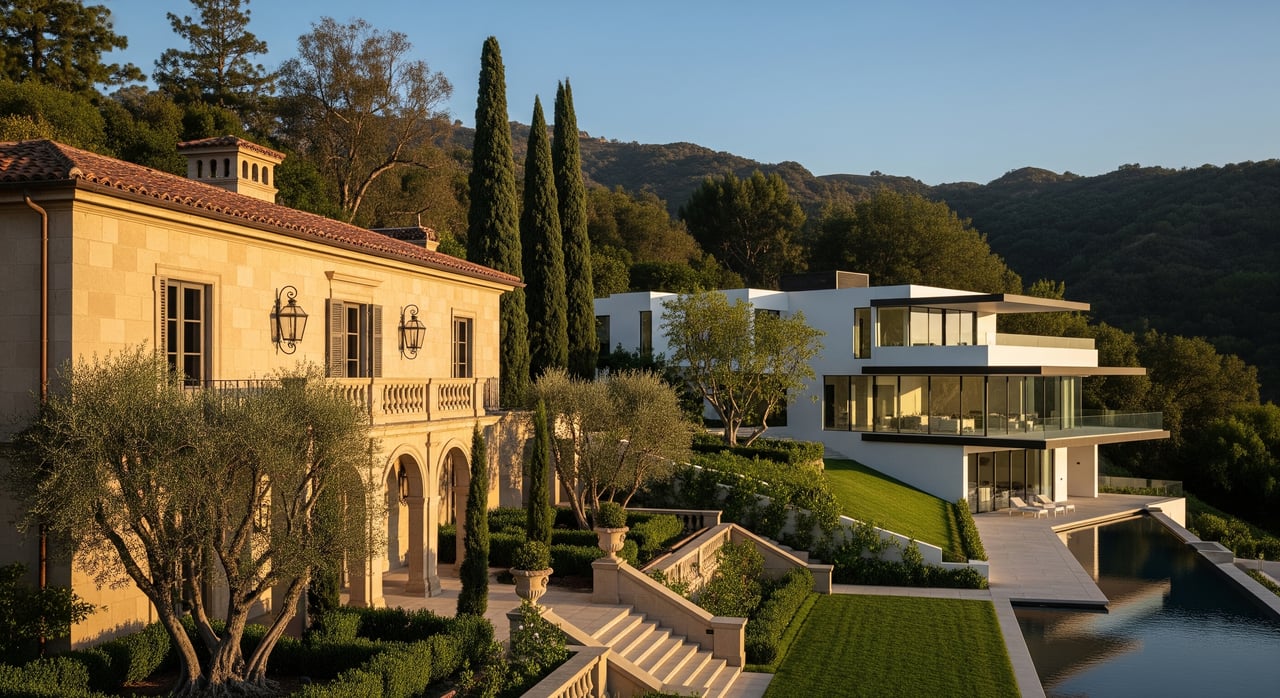
Thinking about buying in Bel Air but torn between a striking new build and a storied legacy estate? You are not alone. Each path offers clear rewards, along with risks that are easy to overlook in a market defined by privacy, scarce flat lots, and hillside constraints. In this guide, you will learn the real tradeoffs in design, permitting, maintenance, insurance, and resale so you can choose with confidence. Let’s dive in.
How to choose in Bel Air
Bel Air buyers usually weigh three things first: design and amenities, character and heritage, and risk and timeline. New builds deliver modern systems and turnkey ease. Legacy estates offer mature grounds and provenance. Your best fit depends on which of these you value most today and over the next 5 to 10 years.
New builds at a glance
- Strong on open plans, indoor-outdoor flow, and integrated smart systems.
- Lower short-term maintenance with energy‑efficient construction.
- Higher upfront cost per square foot and longer permit-to-completion timeline.
- Requires planning for privacy while landscaping matures.
Legacy estates at a glance
- Strong on mature trees, established driveways, and architectural character.
- May need upgrades for seismic safety, fire hardening, and modern systems.
- Hidden costs are more likely, especially on hillside parcels.
- Provenance and lot quality can sustain long-term value.
Architecture and lifestyle differences
New build design
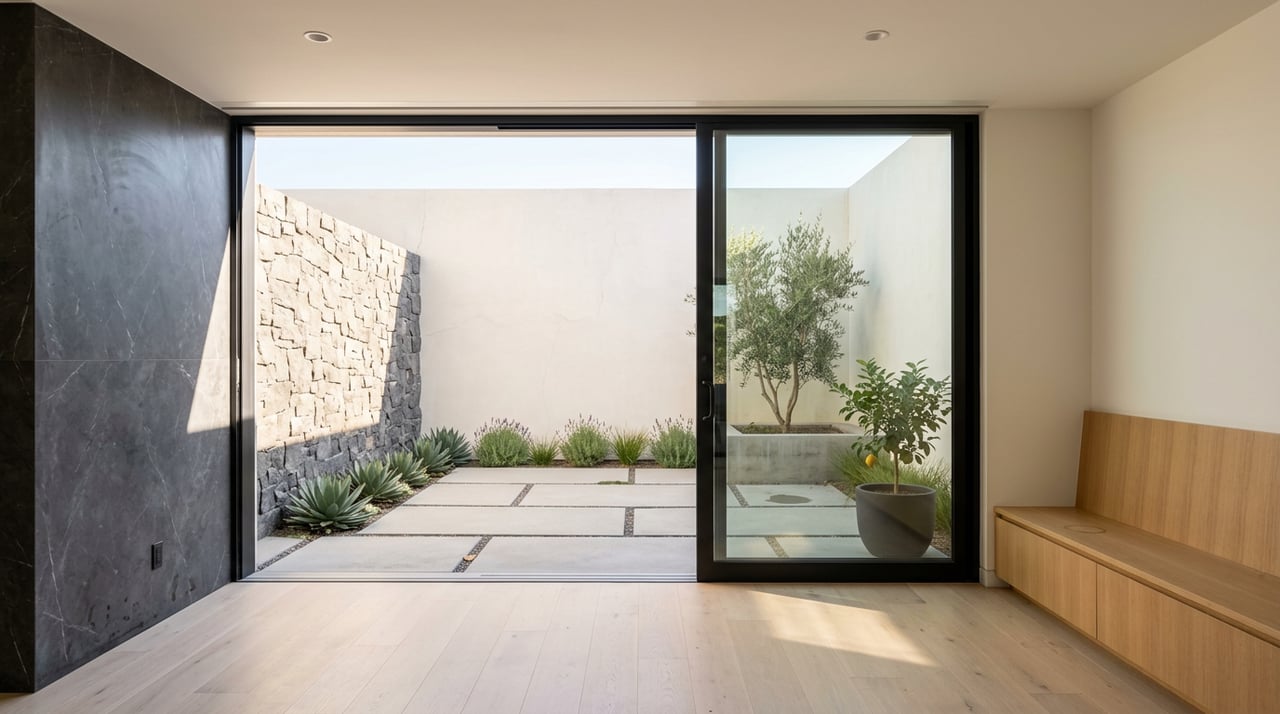
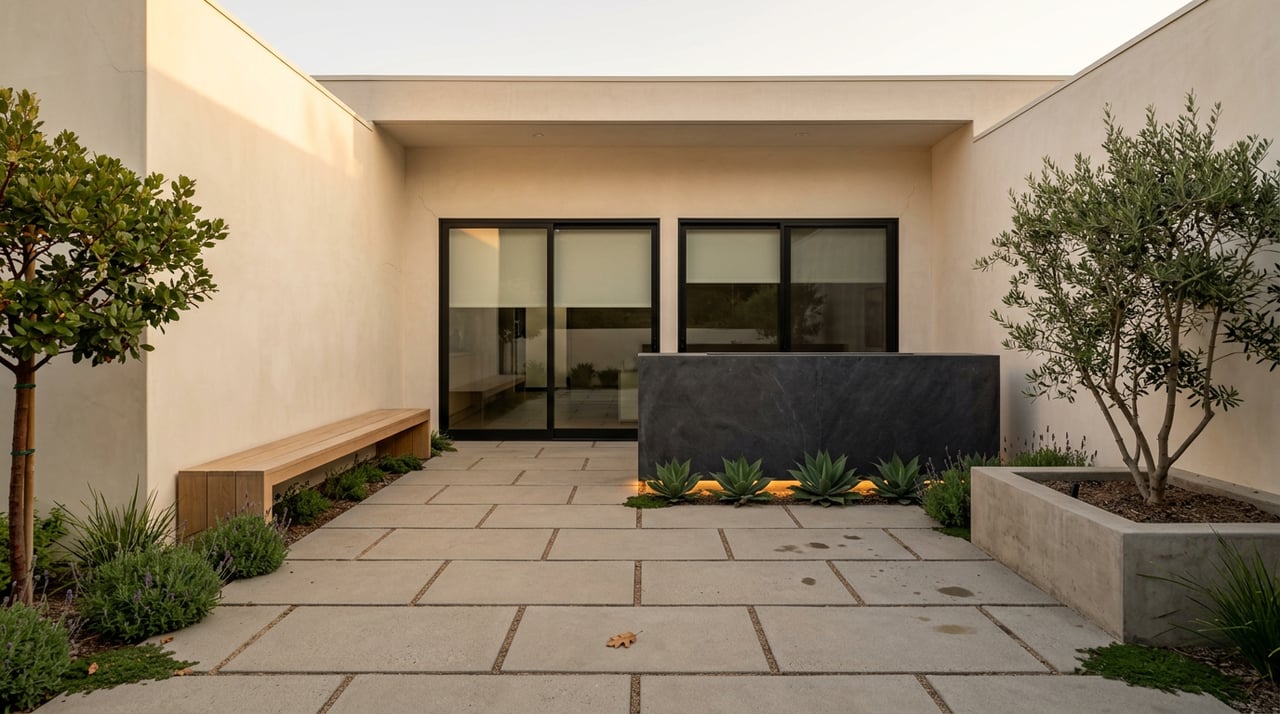
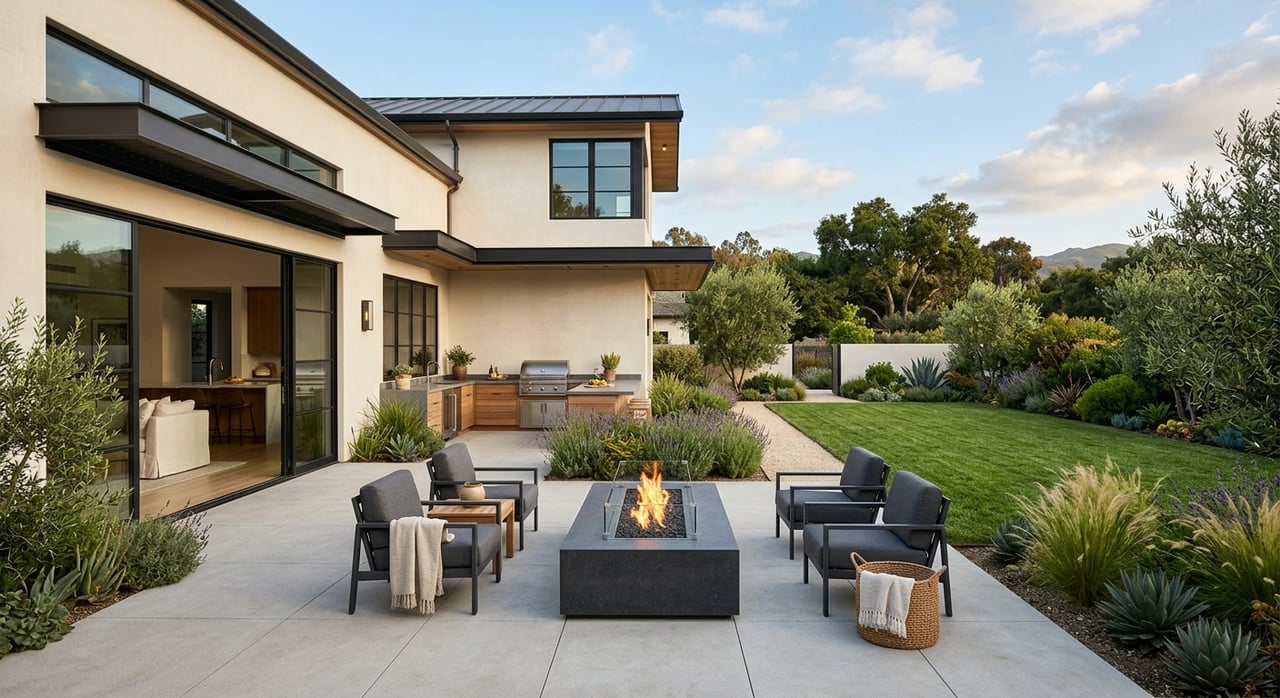
Expect contemporary or transitional architecture, expansive glass, high ceilings, and seamless indoor-outdoor rooms for entertaining. Many include home theaters, fitness and spa spaces, and whole-house automation. You can plan for EV charging, advanced HVAC and filtration, and security from day one.
Legacy estate design
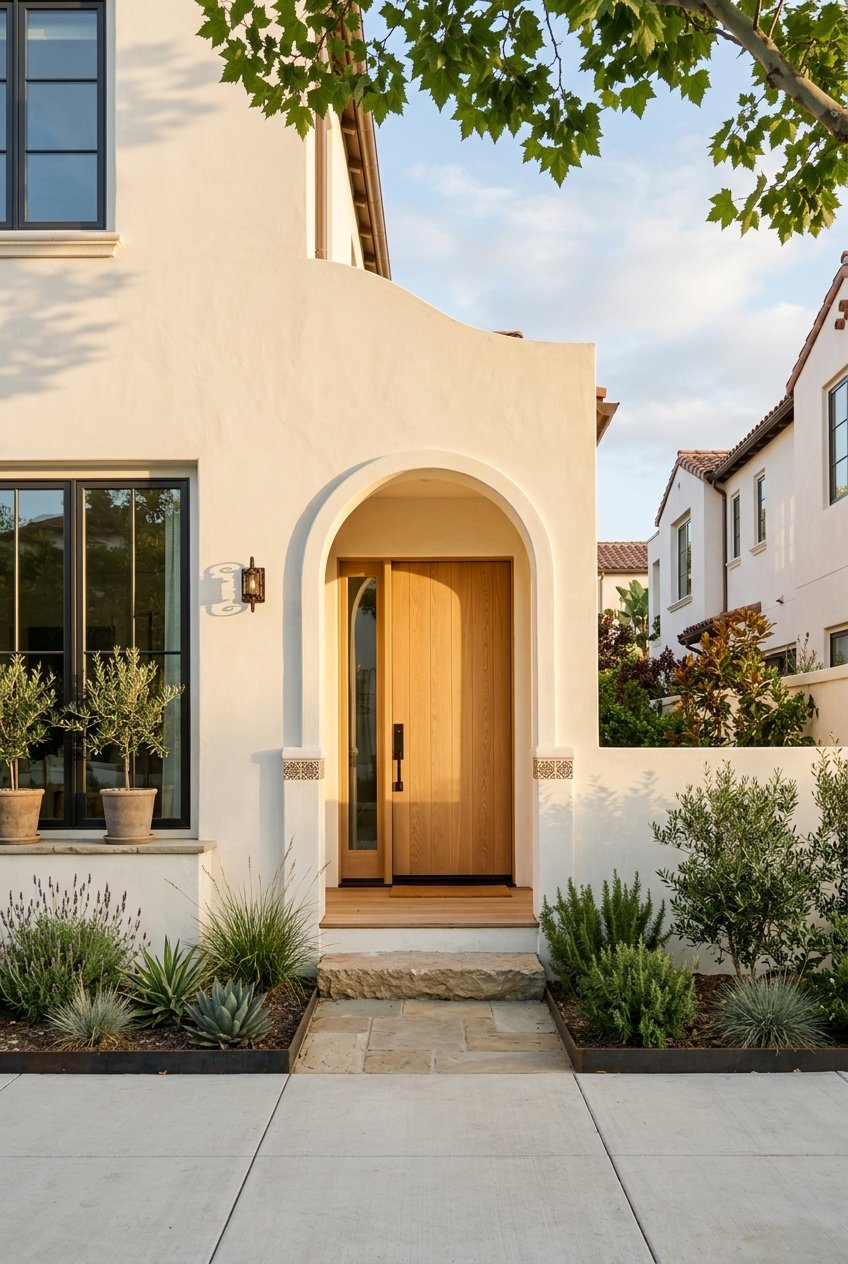
You will see period details from Spanish Colonial Revival to mid‑century Modernist and postwar mansions. Original plaster, custom woodwork, and unique craftsmanship are common. These elements are expensive to replicate and are part of the enduring appeal if you value heritage and subtle luxury.
Lots, privacy, and outdoor living
Bel Air’s hills create both drama and complexity. Legacy estates often sit on terraced grounds with established hedges and tree canopies that give immediate privacy. New builds may involve regrading, retaining walls, and redesigned terraces or pool courts. That work increases geotechnical scope and drainage requirements. If privacy is a priority, new construction should plan for fast‑growing landscape, walls, or carefully placed hardscape to shield sightlines.
Systems, ADUs, and utilities
Older homes may have undersized electrical service, dated panels, galvanized or cast‑iron plumbing, and older HVAC. Upgrading these systems can be significant. New homes can be engineered for today’s electrical load, EV charging, solar‑ready roofs, battery storage, and high‑efficiency mechanicals. Accessory dwelling units are more permissive under state law, yet Bel Air’s hillside rules, lot coverage, and grading controls still shape what is feasible.
Permits, zoning, and historic considerations
Any major remodel or new construction will require permits from the City of Los Angeles. New builds must meet current California Building Code and local regulations. If you expand or alter structure on a legacy home, expect to bring modified elements up to current code. Hillside sites often need geotechnical reports, soils studies, and engineered retaining walls. Floor area ratio, height, and slope rules limit building envelope. Some properties may also face historic designation review, which can restrict exterior changes or demolition. Plan for neighborhood input on highly visible projects.
Safety, wildfire, and seismic readiness
Hillside homes require careful attention to wildfire and erosion. Fire hardening may include ember‑resistant vents, noncombustible roofs, and tempered glass near eaves, along with defensible‑space landscaping. Many legacy estates predate modern seismic standards, so bolting and bracing, chimney work, and foundation upgrades are common. New construction can integrate these measures from the start, while retrofits on older homes vary in scope and cost.
Maintenance and operating costs
New builds tend to carry lower immediate maintenance and energy costs if built to current energy standards. You may, however, have a higher assessed property tax basis depending on purchase and improvements. Legacy estates often have higher ongoing costs for grounds, older equipment, and unpredictable repairs. Mature trees are beautiful but require regular pruning and risk management. Retaining walls, irrigation, and drainage also need ongoing attention.
Value, financing, and insurance
New construction often commands a premium for turnkey living and modern amenities. Finish quality, lot characteristics, and design longevity all matter. Legacy estates can hold or increase value thanks to mature grounds and provenance, but deferred maintenance can erode returns until addressed. Conventional mortgages apply to move‑in ready homes. Construction loans and owner‑builder financing are used for new builds or major renovations and involve different underwriting and draw inspections. For insurance, earthquake coverage is separate, and wildfire risk influences premiums and mitigation requirements, especially on hillside parcels.
Due diligence checklist for Bel Air buyers
- Physical and structural
- Full home inspection and pest report.
- Geotechnical and soils review for slope stability and retaining walls.
- Roof, drainage, and pool or spa equipment assessment.
- Systems and code
- Electrical service capacity and panel condition.
- Plumbing materials, sewer lateral, and water heater condition.
- HVAC age and efficiency, plus any asbestos or lead in older homes.
- Permits and legal
- Confirm permits and finaled work with the city; identify any unpermitted additions.
- Check for historic designation, conservation rules, and easements.
- Verify boundaries and right‑of‑way, including shared or slope easements.
- Environmental and hazard
- Wildfire classification and defensible‑space requirements.
- Erosion history, drainage patterns, and past repairs.
- Brush‑clearance obligations and access requirements for emergency vehicles.
- Financial planning
- Property tax basis under California rules and how improvements affect assessment.
- Insurance quotes for homeowner, earthquake, and wildfire before you waive contingencies.
Timelines and disruption
A ground‑up Bel Air build typically involves a lengthy entitlement and permit phase followed by 12 to 24 months of construction depending on site complexity. Large renovations on legacy estates can also run months to years and may require phased occupancy or temporary relocation. If you have a firm move‑in deadline, confirm contractor capacity, lead times for materials, and any discretionary reviews that could extend the schedule.
Renovate or rebuild
If you love a legacy estate’s architecture and setting, a targeted renovation that preserves key elements can create lasting value. If systems are obsolete or the structure cannot meet your goals within the allowed floor area, a rebuild may be more practical. Factor in demolition, hauling, retaining walls, and neighborhood acceptance. Trophy properties sometimes justify preserving original craftsmanship even when costs are higher, because heritage and provenance are part of the long‑term appeal.
The bottom line
Choose based on how you want to live, how much disruption you can tolerate, and what will matter most at resale. New builds shine for turnkey performance and modern convenience. Legacy estates deliver character and privacy that you cannot manufacture quickly. If you want a tailored search, off‑market options, and hands‑on due diligence support, connect with Angelo Fierro for a white‑glove consultation.
FAQs
How long does a new Bel Air build take from permits to move‑in?
- Entitlements and permits can take many months to a year or more for complex hillside lots, and construction commonly runs 12 to 24 months depending on scope and site.
Are legacy Bel Air estates cheaper to maintain over time?
- Not always. Purchase price may be lower than a new luxury build, but older systems, grounds, and unknown repairs can increase long‑term costs.
What inspections are essential for Bel Air hillside homes?
- Structural and geotechnical reviews, full home and pest inspections, sewer lateral, roof and drainage checks, plus permit and title verification for any past work.
Will a new Bel Air contemporary appreciate faster than an older estate?
- Appreciation depends on lot scarcity, finish quality, and design longevity. Legacy estates with provenance can hold or increase value independent of age.
What insurance considerations are unique to Bel Air properties?
- Earthquake insurance is separate and may cost more for older, unretrofitted homes. Wildfire exposure on hillside parcels can influence premiums and mitigation requirements.