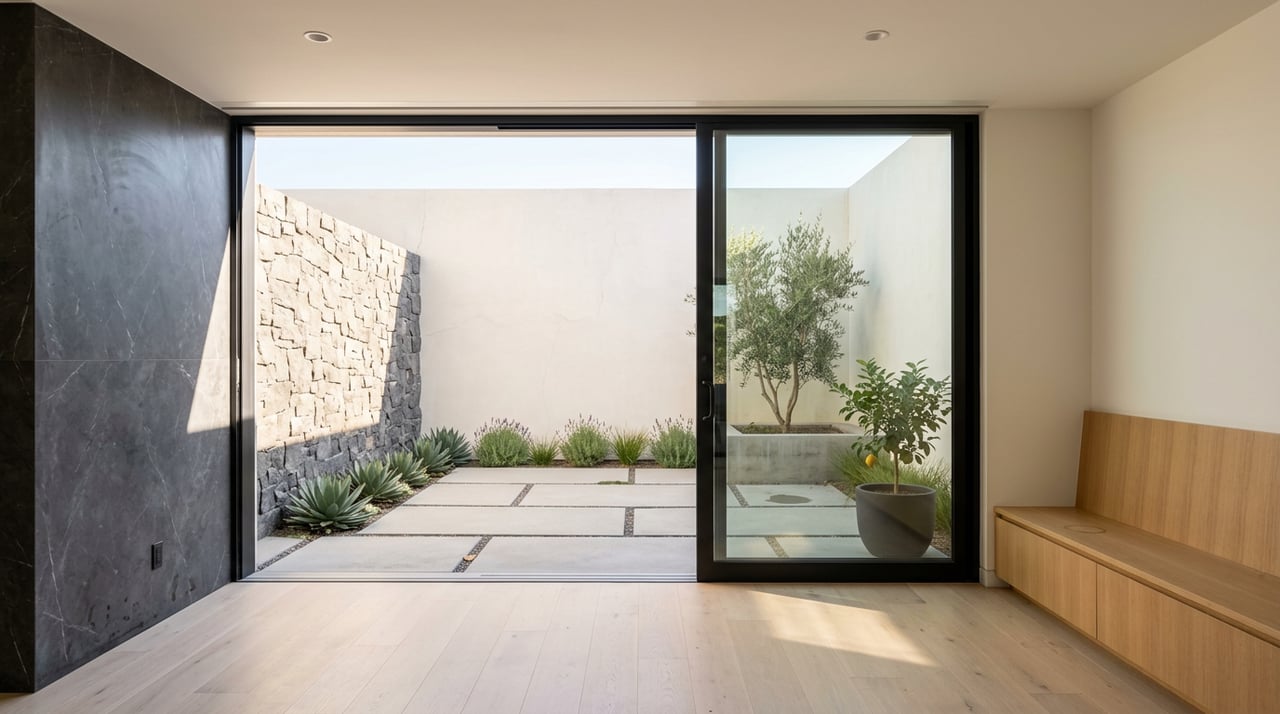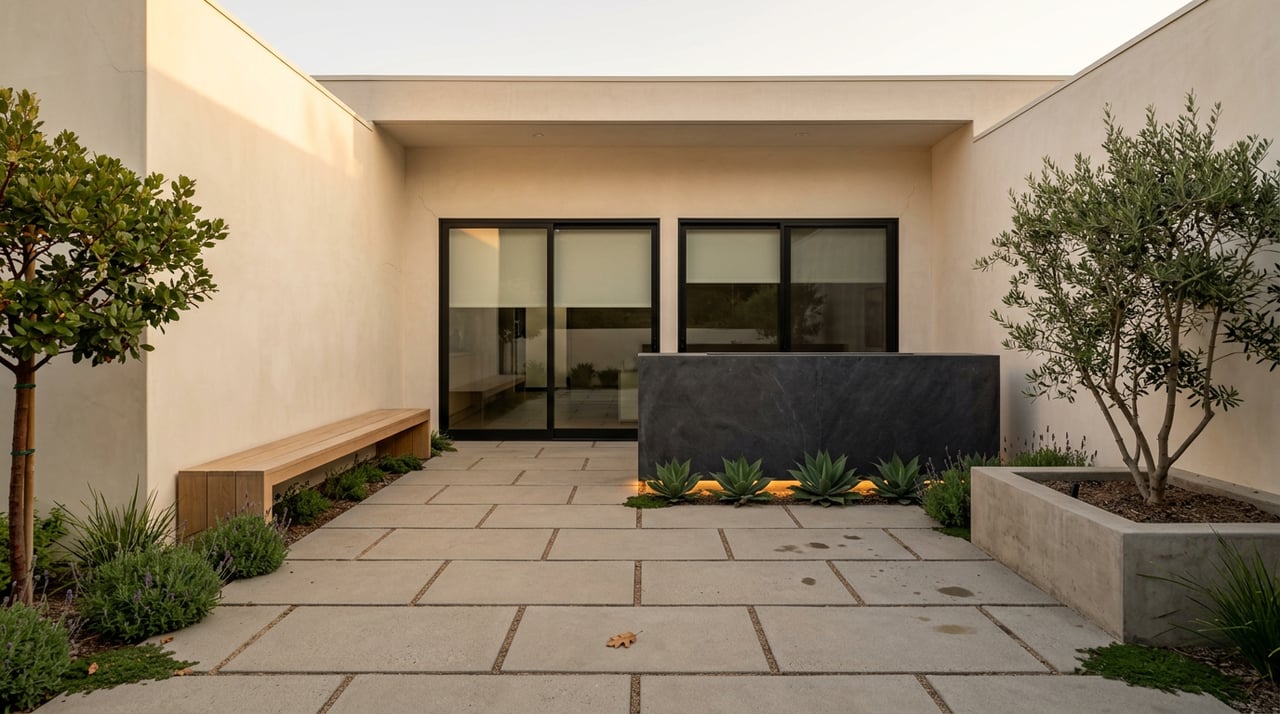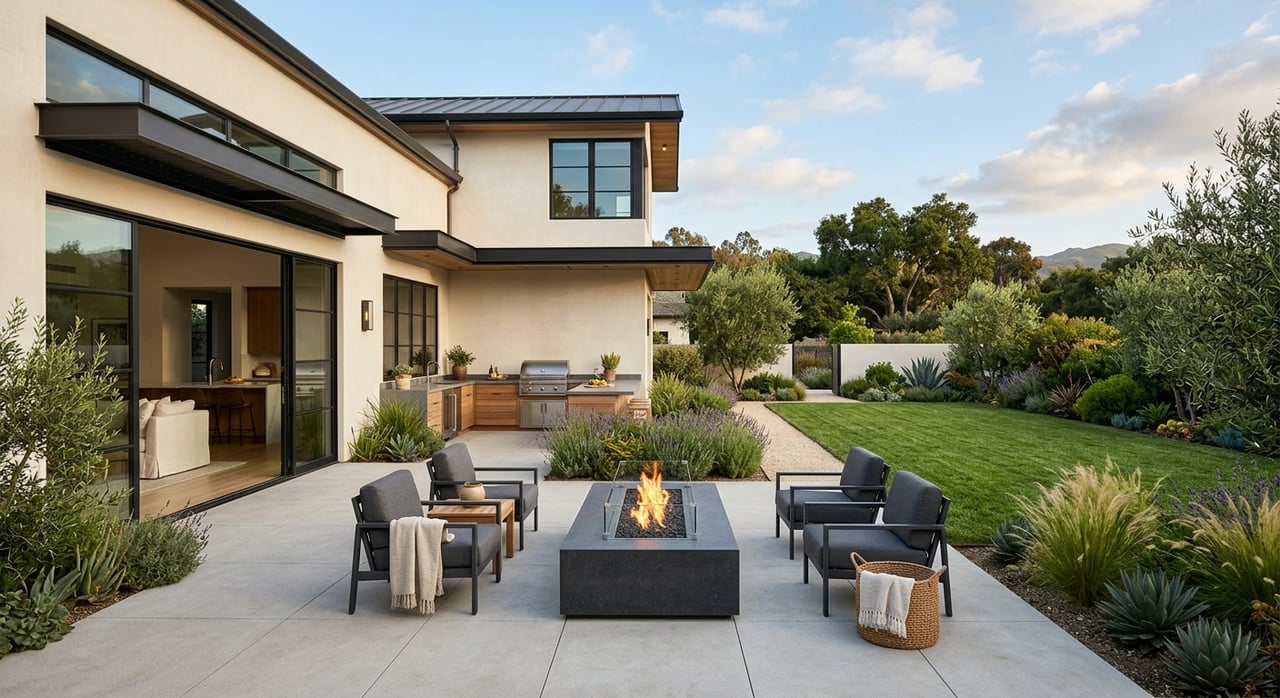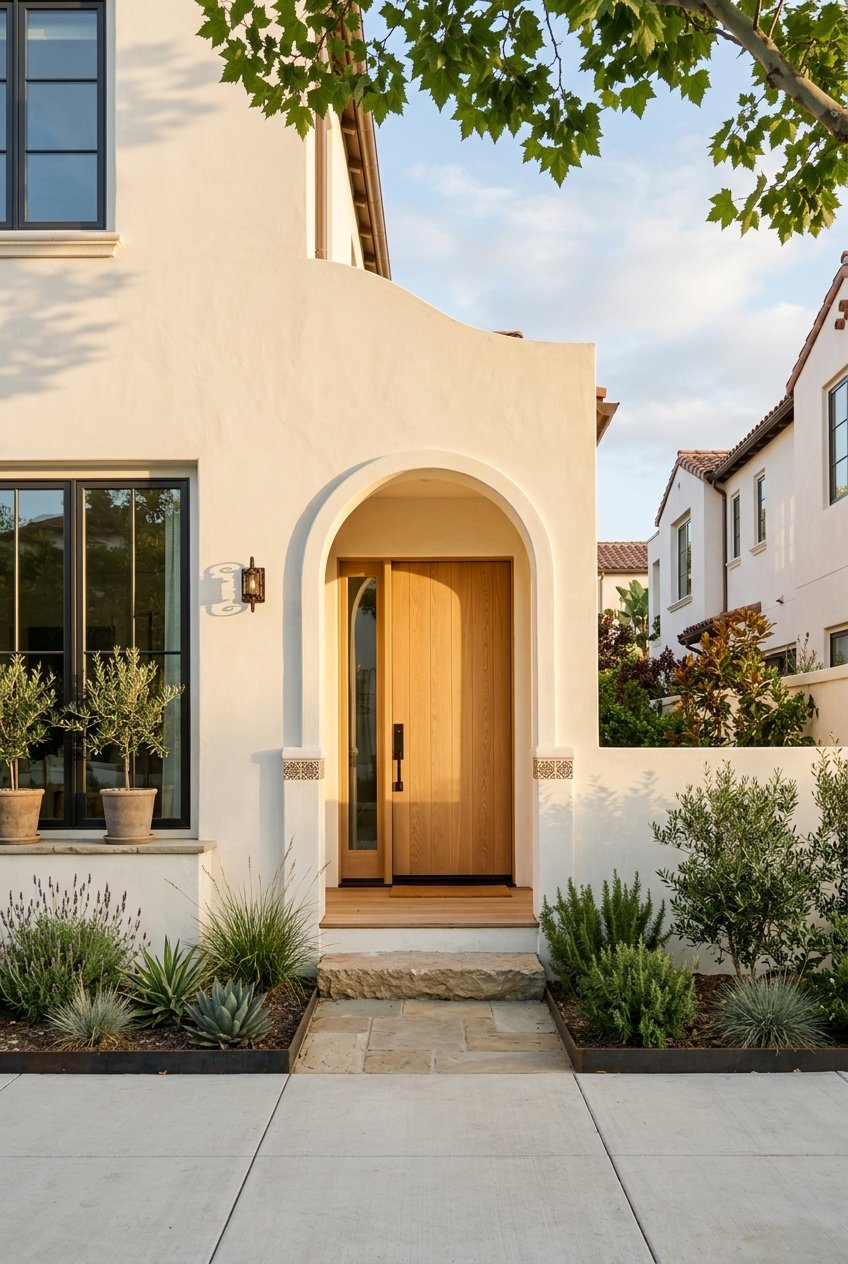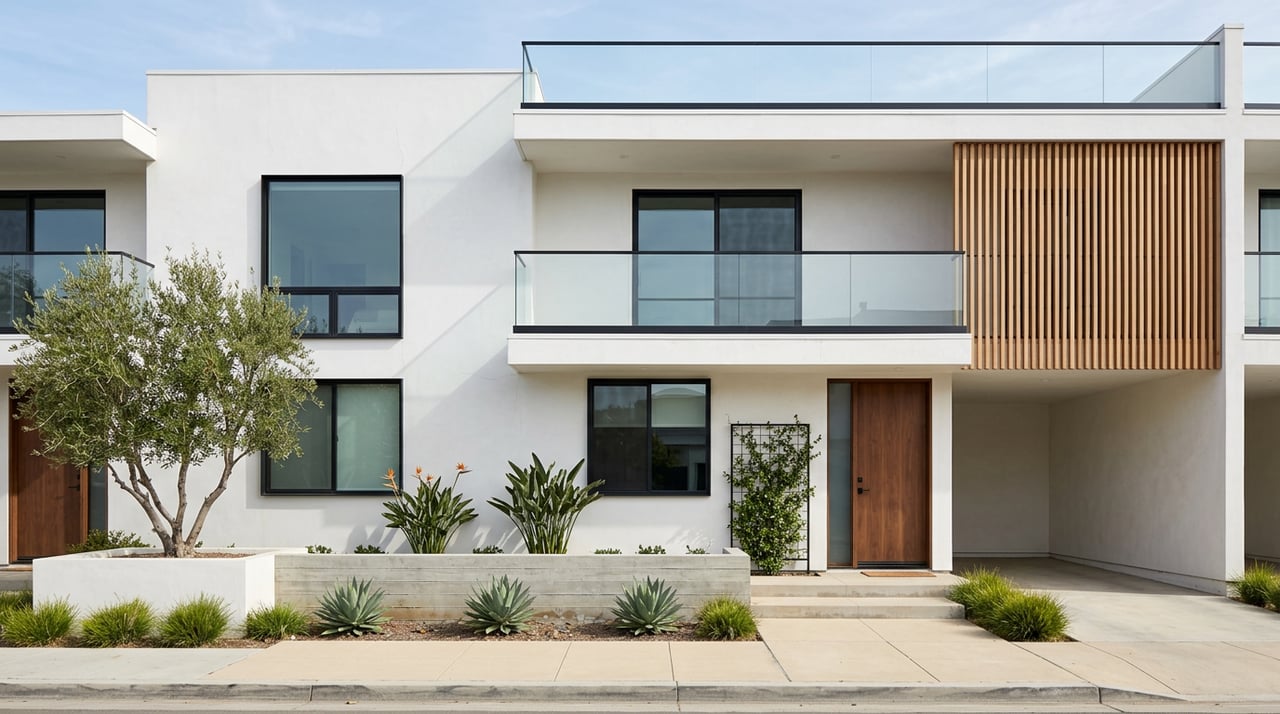
Torn between a sleek condo near the Strip and a quiet bungalow with a little yard? You are not alone. In West Hollywood, the right choice often comes down to how you live day to day, how you park, and how you want to manage costs and upkeep over time. This guide breaks down lifestyle, monthly expenses, financing, and key questions so you can compare your options with clarity. Let’s dive in.
West Hollywood market context
West Hollywood is compact and in high demand, which keeps inventory tight and prices strong. Reported price metrics vary across data providers, so treat any single number as an indicator, not a rule. In general, condos and townhomes are often the more affordable entry point on purchase price, while small single-family homes and bungalows can command premiums on desirable blocks.
Walkability is a big factor here. Many addresses score in the 90s for walkability, which makes condo living especially appealing if you want a small-car or car-free routine. You can see this on a typical central WeHo block with a high Walk Score example. City shuttles and trolleys supplement transit, concentrating demand around central corridors.
Condo living in WeHo
Daily life and amenities
Condos and townhomes often deliver a lock-and-leave lifestyle. Many buildings include shared amenities like a pool, gym, secure entry, covered parking, and on-site management. Unit types range from compact studios to multi-bedroom penthouses in everything from vintage courtyard buildings to full-service towers.
HOA dues and what they cover
Monthly HOA dues in West Hollywood vary widely. Recent listings show a broad range, roughly from a few hundred dollars to well over a thousand per month in full-service buildings. Dues may cover some utilities, building insurance under the master policy, exterior maintenance, security, and staff. Always review the full HOA budget and the insurance declarations to see what is and is not covered.
Reserves and special assessments
California HOAs must prepare reserve studies and distribute budgets annually. Reserve funding levels, plus any deferred maintenance, are the most common triggers for special assessments. Ask for the latest reserve study, bank statements, and board minutes, then note upcoming projects and how the board plans to fund them. You can read more about reserve studies in the Davis–Stirling guidance on HOA reserves.
Financing and warrantability
If you plan to use a conventional or government-backed loan, your lender will evaluate the condo project itself. Buildings that do not meet agency standards are considered non-warrantable, which can limit loan options or increase costs. Confirm project eligibility early with your lender using the Freddie Mac project-eligibility overview.
Insurance for condo owners
Condo owners typically carry an HO-6 policy for interior finishes, improvements, personal property, liability, and loss-assessment coverage. The HOA’s master policy insures the building shell and common areas as defined in the CC&Rs. Learn the differences and why loss-assessment coverage matters in this primer on HO-6 condo insurance basics.
Condo pros
- Lower personal maintenance for exteriors and shared areas.
- Amenities and security with highly walkable, central locations.
- Good fit for downsizers or lock-and-leave lifestyles.
Condo cons
- Monthly HOA dues and the possibility of special assessments.
- Shared walls and limited private outdoor space.
- Financing can be limited if the project is non-warrantable.
Bungalow living in WeHo
What to expect in the homes
Many bungalows and small single-family homes here are older, with vintage systems and classic styles like Spanish Revival and Craftsman. Plan for age-appropriate maintenance and potential updates. For a data view of local housing stock characteristics, see ATTOM’s West Hollywood profile.
Privacy, yard, and parking
Detached bungalows usually offer more privacy, direct access to a yard or patio, and off-street parking via a driveway or garage. That is a real lifestyle difference in a city where many streets fall under residential permit programs. To understand local rules and guest logistics, review the city’s Residential Parking Permit FAQs.
Upkeep and budgeting
Single-family ownership puts exterior, roof, and yard care on you. As a general planning guideline, many homeowners set aside about 1 percent of the home’s value per year for maintenance, then adjust based on age and features. See a quick overview of the 1 percent maintenance budgeting rule.
ADU potential and long-term value
Bungalow owners may be able to add an accessory dwelling unit for guests or rental income. West Hollywood has been piloting updates and incentives that can impact feasibility and cost. Explore the city’s Affordable ADU Pilot Program to understand current options and next steps.
Insurance and taxes
Single-family owners typically carry an HO-3 or HO-5 policy that covers the structure, personal property, loss of use, and liability. For a clear comparison between condo and house policies, review this HO-3 vs. HO-6 overview. Property taxes in California start with a base rate of about 1 percent of assessed value, plus local assessments. Your actual bill will depend on the final purchase price and local voter-approved items.
Bungalow pros
- More privacy and private outdoor space with direct parking.
- Control over exterior changes, subject to local rules.
- Potential to add an ADU for flexibility or income.
Bungalow cons
- Higher routine maintenance and larger capital repairs.
- Often a higher purchase price for similar locations.
- Fewer built-in services than full-service condo buildings.
Costs to compare
To get a true month-to-month picture, compare total carrying costs on specific properties:
- Mortgage and property taxes based on purchase price.
- Insurance: HO-6 for condos, HO-3 or HO-5 for houses.
- HOA dues for condos, plus any known special assessments.
- Maintenance: use the 1 percent rule for houses as a starting point, then refine after inspections.
- Parking and mobility: weigh the convenience of deeded or garage parking against permit-only street parking and your car usage.
Buyer checklist
Use this quick list before you draft an offer:
- Market check: review recent closed sales for the immediate micro-neighborhood rather than relying on a single aggregator snapshot.
- HOA documents for condos: request CC&Rs, latest budget, bank statements, reserve study, meeting minutes, insurance declarations, assessment history, rent roll, and delinquency figures. Learn why reserves matter in the Davis–Stirling reserve study guide.
- Financing: verify condo project eligibility early with your lender using the Freddie Mac project-eligibility overview.
- Insurance: for condos, confirm the master policy type and deductible, then price your HO-6 with adequate loss-assessment coverage. For houses, compare HO-3 or HO-5 quotes and add riders as needed. A quick primer on HO-6 is here: condo insurance basics.
- Parking and mobility: confirm whether parking is deeded or assigned and whether spaces are covered. Review the city’s Residential Parking Permit FAQs so you understand guest and event-night rules.
- Maintenance budget for houses: start with the 1 percent rule, then use inspection findings to refine first-year needs.
- ADU option for bungalow buyers: check the city’s Affordable ADU Pilot Program for current incentives and requirements.
- Rent and stay rules: if you plan to rent, review the city’s Rent Stabilization resources to understand property types and exemptions.
How to choose your fit
- Lifestyle first: do you want a staffed building with easy amenities, or a private space with a garden and your own driveway?
- Car habits: do you rely on a car daily, or could you lean on walking, rideshare, and local shuttles?
- Time horizon: are you seeking a shorter-term lock-and-leave, or do you want flexibility to expand with an ADU?
- Budget comfort: are you more comfortable with predictable HOA dues or with managing house maintenance directly?
- Financing plan: do you need the broadest loan options, or are you set up to navigate a unique condo project if needed?
Ready to narrow to a short list that fits your lifestyle and numbers? Connect with Angelo Fierro to compare real-time options, tour handpicked homes, and move forward with confidence. Start your white-glove consultation.
FAQs
In West Hollywood, do condo HOAs cover utilities?
- Coverage varies by building. Some associations include items like water or trash in dues while others do not. Read the HOA budget, CC&Rs, and insurance declarations to confirm specifics.
Can you get a mortgage on any West Hollywood condo?
- Not always. Lenders review the condo project as well as the buyer. If a building does not meet agency standards, it may be non-warrantable, which can limit loan choices. See the Freddie Mac project-eligibility overview.
Are bungalows always more expensive month to month than condos?
- Not necessarily. Condos have HOA dues and possible assessments, while houses have maintenance and potentially a higher purchase price. Compare total monthly costs, using the 1 percent maintenance rule as a starting point for houses.
What is a condo special assessment and why does it happen?
- A special assessment is a one-time charge to owners used to fund major work the reserves cannot cover. Low reserve funding and deferred projects are common triggers. Learn more in the Davis–Stirling reserve study guide.
How does parking differ between condos and bungalows in WeHo?
- Many condos include assigned or deeded garage spaces, while bungalows often provide private driveways or garages. Street parking is often permit-controlled, so review the city’s Residential Parking Permit FAQs to plan for daily use and guests.