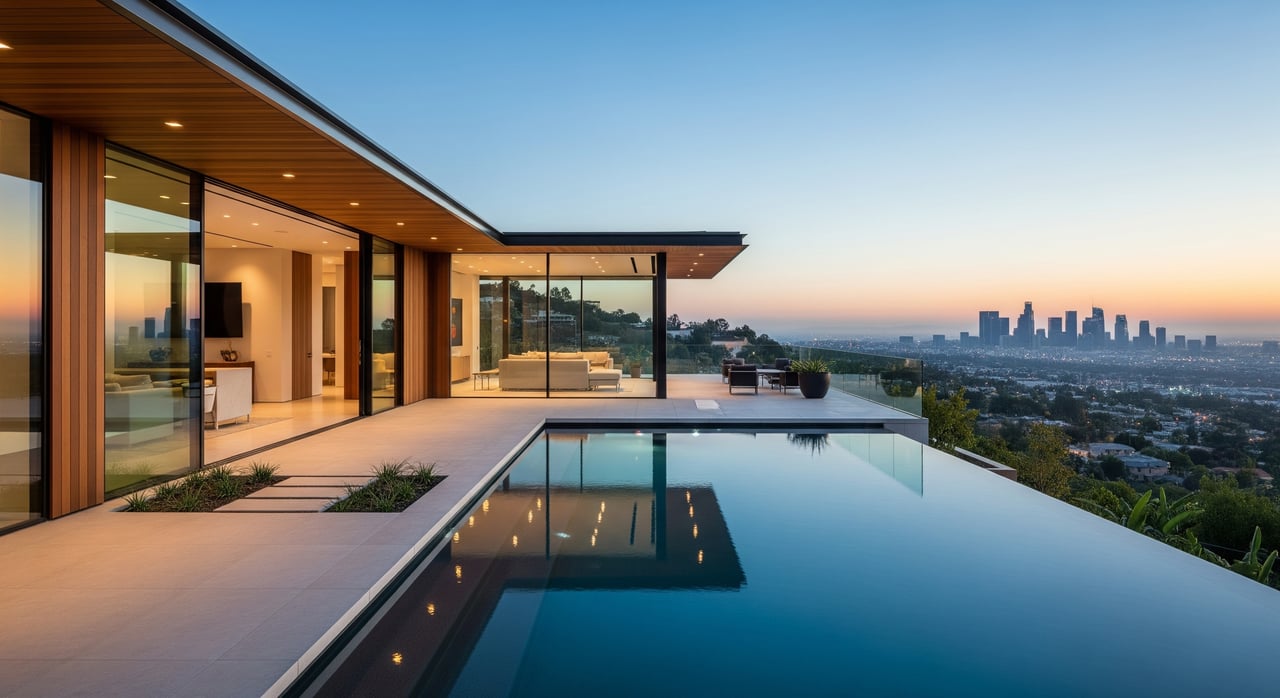
If you’ve tried to value a Hollywood Hills home using a simple price-per-square-foot, you’ve probably seen how quickly the numbers fall apart. No two properties here are the same, and small differences can swing price by six figures. You deserve more than a guess.
In this guide, you’ll see exactly how we price Hollywood Hills homes with precision. We’ll break down the factors that matter most, the data we rely on, and the steps that help you support a strong, defensible list price. You’ll also get clear tips whether you’re selling or buying in the Hills. Let’s dive in.
Why Hollywood Hills pricing is different
Hollywood Hills is a high-value, low-inventory market with homes that range from modest canyon bungalows to architect-designed estates. Because the housing stock is so diverse, “median” figures are less useful than they are in uniform suburbs. Low turnover means a single sale can shift short-term averages, so you need more context than headline stats.
Sub-neighborhoods like Laurel Canyon, Beachwood Canyon, Outpost Estates, Hollywood Hills West and East, and the corridor above Sunset each behave differently. Street patterns, lot shapes, and access can change outcomes even for similar square footage. Privacy and view lines can vary block to block, which is why hyper-local selection of comps matters.
Buyer profiles also shape pricing. You often see a meaningful share of cash buyers, second-home purchasers, investors, and buyers using jumbo financing. Insurance availability and cost, including wildfire coverage, can influence budgets and leverage. Regulatory and physical risks such as brush fire exposure, seismic and landslide considerations, steep driveways, and limited parking affect marketability and value.
Our data-driven pricing process
We use a multi-step, evidence-based workflow so your list price is both market-smart and defensible.
1) Gather the right data
- MLS comparable sales, including active, pending, and closed listings that match your home’s profile.
- Public records for parcel size, legal description, and recorded improvements.
- Off-market intelligence from trusted broker networks to capture private or pocket sales.
- City and county permitting records to verify permitted work, ADUs, and any code issues.
- Hazard resources such as wildfire, flood, and geological maps to understand risk factors.
2) Walk the property, document the nuances
We assess view quality, topography, privacy, access, parking, and overall condition. Drone and elevation imagery help confirm view corridors and potential obstructions. We note recent upgrades with receipts and confirm what was permitted.
3) Build a focused CMA and make thoughtful adjustments
A Comparable Market Analysis is our foundation, but we tailor it to the Hills. Typical adjustments include:
- Square footage and bed/bath count
- Lot size and usable outdoor space
- View type and quality
- Renovation recency and scope
- Pool/spa and outdoor living
- Garage, driveway, and on-site parking
- Privacy, security, and gated access
- Overall condition and permitted status
- ADUs or permitted rental units
We also benchmark price per square foot by sub-area, but we apply it cautiously because views, lot utility, and architectural significance can skew that metric.
4) Time-adjust and create pricing scenarios
In a low-transaction market, month-to-month shifts can be noisy. We time-adjust for the micro-area’s direction and present 2–3 pricing scenarios:
- Aspirational price: Maximizes upside if the right buyer appears; typically expects a longer marketing period.
- Market price: Balances price and speed; aligns closely with the strongest comps.
- Value price: Aims to attract multiple offers quickly to push the final price up.
Each scenario includes an expected days-on-market range and likely buyer profiles.
5) Prepare a clean appraiser and buyer package
We assemble a comprehensive packet that includes:
- MLS comp sheets with clear adjustment logic
- Permit records and a list of upgrades with receipts
- High-quality photos and drone imagery of views and approach
- Any relevant off-market comp intelligence
- Recent inspection reports, if available
This reduces appraisal risk and builds confidence with buyers.
6) Launch, monitor, and refine
We align marketing with your pricing strategy, monitor early traffic and feedback, and agree on decision points for any adjustments. Low inventory means fast feedback can be meaningful, but we confirm with additional data before changing course.
What really moves the price here
Some factors carry outsized weight in the Hills. We model each one with comps rather than assumptions.
View quality and permanence
Not all views are equal. City lights, canyon, and ocean views can command premiums, but the size of that premium depends on elevation, width of panorama, and permanence. Views at risk of obstruction are discounted compared with unobstructed vistas. We convert view differences into percent or dollar adjustments grounded in comps.
Lot usability and outdoor living
Usable flat space is rare. Even small patios, flat yard segments, or well-terraced areas can add meaningful value compared with steep, unusable acreage. We separate total lot size from usable outdoor square footage when making adjustments.
Privacy, security, and access
Long driveways, gated entries, and limited public visibility appeal to privacy-focused buyers. Poor access, narrow roads, or steep switchbacks can shrink the buyer pool and justify pricing adjustments.
Condition, systems, and permits
Fully permitted, up-to-code renovations support stronger pricing. Unpermitted additions or conversions typically reduce marketability and invite a price reduction equal to the cost to cure plus a risk discount. We document what’s permitted and what’s not so buyers and appraisers see a transparent picture.
Architectural significance
Period-authentic or architect-designed homes can trade on a specialty market. These require targeted comps from similar architect or era sales. Generic remodels are priced differently than intact mid-century or other notable designs.
Amenities and ADUs
Pools, spas, and outdoor kitchens often matter in hillside luxury homes, but their value depends on condition and compliance. Permitted ADUs can be valued using income considerations for investor-minded buyers, in addition to comps.
Hazards and insurance
Wildfire and geological risks, plus insurance constraints, can weigh on value. Sellers who disclose hazards and document mitigation measures can protect price and reduce deal friction.
Pricing scenarios that fit your goals
We do not force your home into a single number. Instead, we model pricing bands linked to strategy:
- Aspirational: Targets the top 5 to 10 percent of likely outcomes if a premium-seeking buyer values your unique features. Best when time is flexible and features are rare.
- Market: Anchored by the most relevant comps with clear adjustments. Ideal for sellers who want a confident sale within typical timelines.
- Value: Lists slightly under the market midpoint to drive competition and offer momentum. Useful for properties with broad appeal or when speed matters.
We pair each band with a marketing plan that reaches the right audience and sets expectations for timeline and negotiation.
How you can support a precise price
The stronger your documentation and presentation, the more defensible your price.
- Gather permits, plans, and receipts for all work.
- Consider pre-listing inspections for key systems like roof, electrical, and septic.
- Invest in landscape and front approach improvements to maximize first impressions.
- Use professional photography, twilight shoots, and drone to showcase views and access.
- Stage to highlight architecture and livability for your most likely buyer.
- Prepare a simple summary of upgrades and maintenance to include in the appraiser packet.
Buyer takeaways if you’re shopping the Hills
- Expect multiple offers on well-priced, unique homes; less typical properties may involve longer negotiations or off-market conversations.
- If you’re financing, plan for appraisal risk where comps are thin. Consider ways to bridge potential appraisal gaps.
- Request permit files, geological reports, and insurance history early. Factor insurance premiums into your total cost of ownership.
- Be flexible on geography within the Hills; the right fit may be a few ridgelines away.
Common pitfalls we avoid
- Leaning on price-per-square-foot without adjusting for view, lot utility, and architecture.
- Using citywide averages instead of micro-area trends for time adjustments.
- Relying on automated valuation models for unique hillside homes.
- Overlooking access, parking, and egress challenges that reduce the buyer pool.
- Ignoring unpermitted work that can derail appraisals or escrows.
Our white-glove tools for strategic pricing
You benefit from a boutique approach supported by brokerage-level tools. We can test buyer response discreetly through off-market channels when appropriate and use pre-sale preparation resources to unlock value before we list.
- Compass Private Exclusives: Quietly gauge interest with qualified buyers while protecting your privacy.
- Compass Concierge: Coordinate and front essential improvements that help your home present at its best.
These tools, paired with a precise pricing strategy, help you maximize results with less disruption.
Ready to price with precision?
You deserve a pricing plan built for the Hollywood Hills, not a template. If you’re thinking about selling or want a second opinion on value, let’s talk about your home’s unique features, risks, and upside. Start a conversation with Angelo Fierro to plan your strategy and Start Your White-Glove Consultation.
FAQs
Why price-per-square-foot misleads in Hollywood Hills
- Price per square foot misses big value drivers like views, lot usability, access, and architectural significance, so it’s only a rough starting point here.
How much a view adds to a Hollywood Hills home
- There is no fixed number; we derive a view premium from comparable sales and adjust for type, elevation, width of panorama, and permanence.
Effect of unpermitted work on sale price
- Unpermitted improvements typically reduce price by the cost to bring them into compliance plus a risk discount; documented, permitted work strengthens your pricing case.
What to do when there are few true comps
- Expand geography or timeframe responsibly, document adjustment logic, include off-market intelligence when available, and present pricing scenarios with timelines.
How to reduce appraisal risk on a financed sale
- Provide a clean comp package, permits, upgrades with receipts, high-quality photos, and relevant off-market comps; be prepared with options if an appraisal comes in low.
Why insurance matters for Hollywood Hills pricing
- Wildfire and other risks can affect availability and cost of insurance, which can reduce buyer budgets or create friction, so we price with those realities in mind.