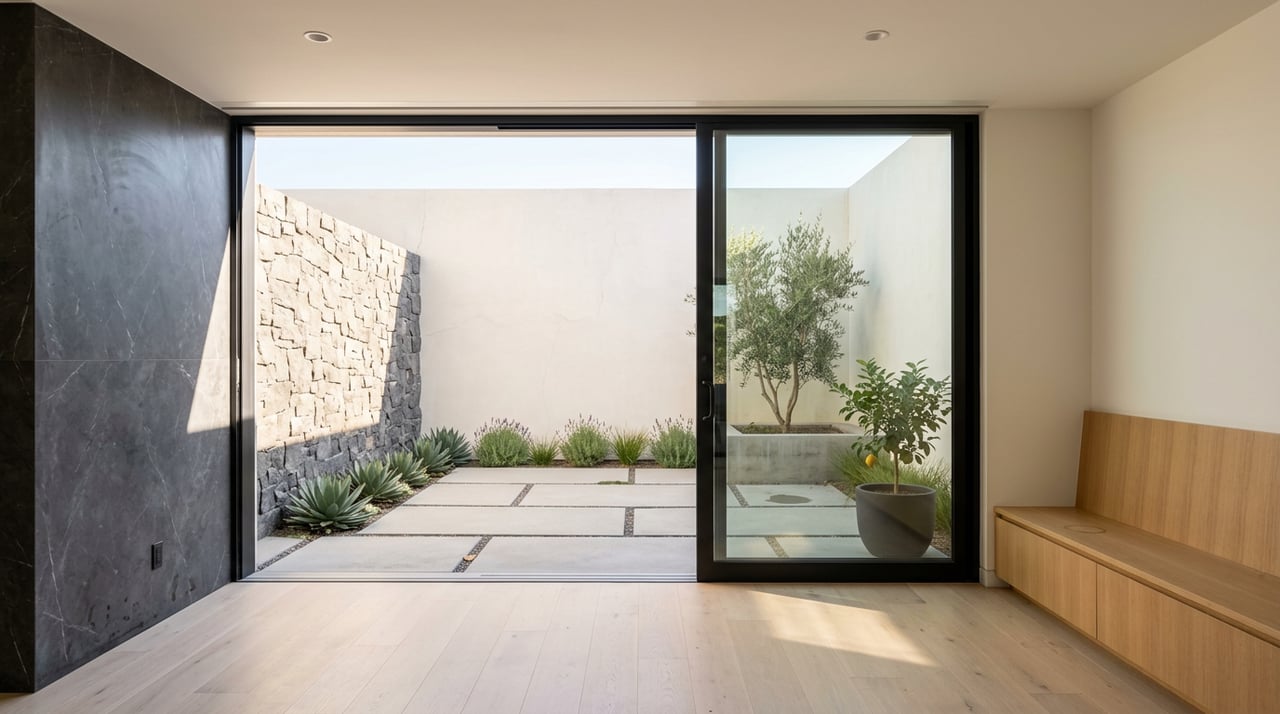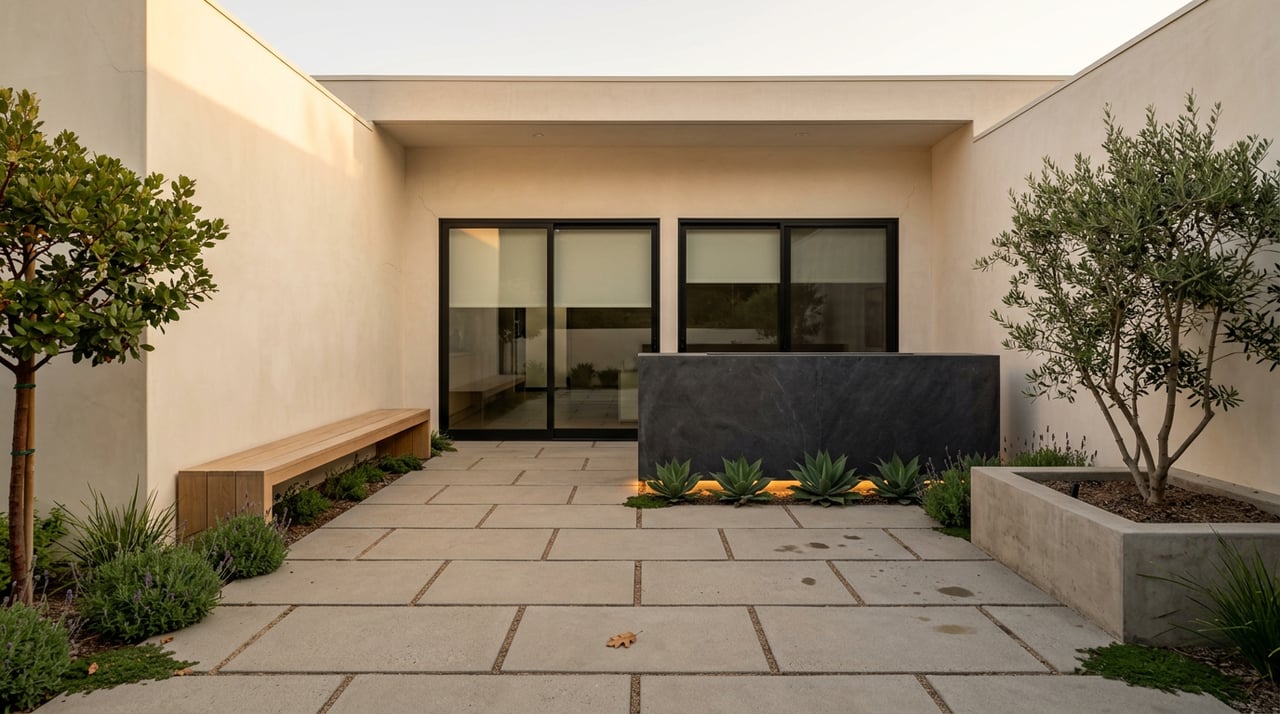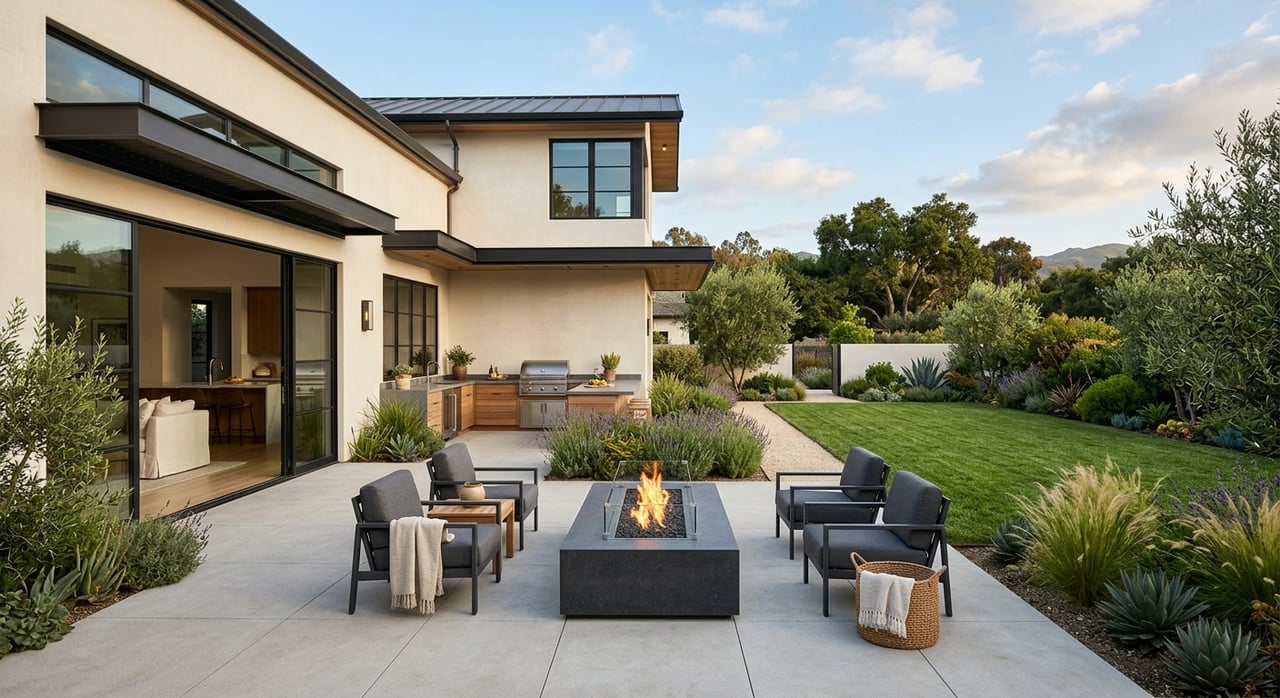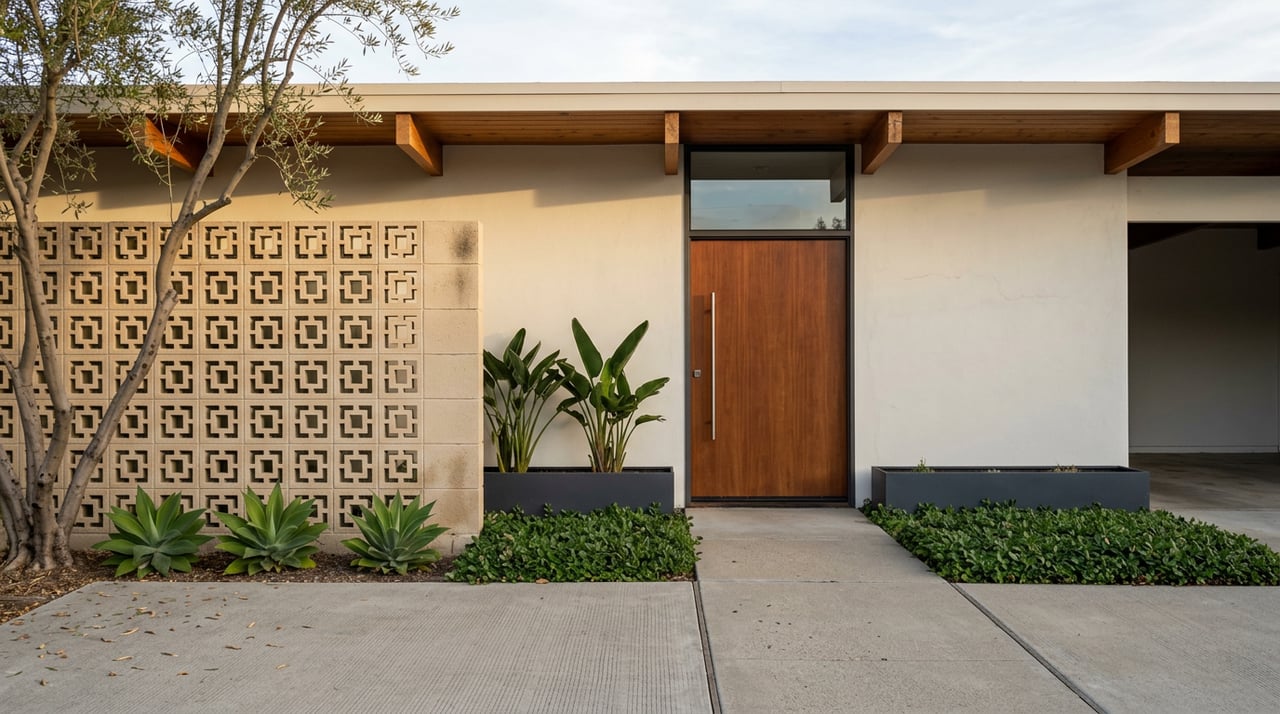
Love the clean lines, glass walls, and easy indoor–outdoor flow of mid‑century homes? Studio City has them in all flavors, from view-forward hillside moderns to classic postwar ranches on quiet streets. If you are eyeing this architecture, you also want clarity on inspections, renovation costs, and hillside rules that can affect your budget and timeline. This guide gives you a practical path to find the right house, understand condition and permits, and move forward with confidence. Let’s dive in.
Why Studio City fits mid‑century living
Studio City blends convenience and canyon scenery. You get proximity to studios and Ventura Boulevard amenities with quick access to the hills and trailheads. That indoor–outdoor lifestyle lines up perfectly with mid‑century design, which emphasizes light, views, and easy yard access.
The local market is strong. Recent snapshots place the Studio City single‑family median around the mid‑$1.6M range over the last year, with price per square foot in the high hundreds. You can review recent sales in the area to gauge trends and finishes by looking at an aggregated sales feed for Studio City’s market area on Homes.com. Current Studio City sold data is a good starting point for context as you plan.
Where to find mid‑century homes
Mid‑century inventory shows up in distinct pockets, each with different lot types and upgrade considerations.
Hillside and canyon streets
Fryman Canyon and the edges of Coldwater and Laurel Canyon host custom hillside moderns and split‑levels with views, decks, and multi‑level floor plans. Expect post‑and‑beam structure, big glass, and dramatic siting. For additions or major grading, you may need geotechnical reports and you will need to watch grading limits under the City’s hillside rules. Review the City’s grading caps and Baseline Hillside Ordinance context before planning big changes. This overview of grading limits in Los Angeles explains common triggers.
North of Ventura Boulevard tracts
On the flatter residential streets north of Ventura, you will see postwar ranches and split‑levels on standard lots. These homes often have simpler grading and more traditional yards. Many have seen piecemeal additions over the years, so permit history and floor plan consistency matter during due diligence.
Small enclaves and “Dona” streets
Select subdivisions and cul‑de‑sac clusters show an appealing mix of intact mid‑century homes and tasteful updates. These pockets can offer helpful comparables when you are weighing the value of original features versus recent renovations.
Pro tip: Before you fall in love with a lot, check property overlays and past permits. The City’s parcel viewer, ZIMAS, helps you see zoning, hillside, historic, and other overlays that affect what you can change. If you have never used it, follow a step‑by‑step walkthrough in this guide to using ZIMAS in Los Angeles.
Hallmark features buyers love
Mid‑century homes earn a premium when key features are intact and well maintained. The National Park Service highlights the era’s signature materials and details that define the look and feel buyers seek. Read about these elements in the NPS overview of mid‑century design principles and materials. Here are the greatest hits you will see in Studio City:
- Low or shallow‑pitched roofs with wide eaves
- Exposed wood beams and post‑and‑beam structure
- Floor‑to‑ceiling glass and wide sliding doors
- Clerestory windows that bring in soft, indirect light
- Built‑ins, simple lines, and natural materials like wood and stone
- Open living/dining areas that extend to patios or pool decks
Reference: Material Matters for Mid‑Century Modern.
Quick glossary for open houses
- Post‑and‑beam: A structural system using wood posts and beams that allows wide openings and big glass walls.
- Clerestory: A band of high windows near the roofline that brings in daylight while preserving privacy.
- Carport vs. garage: A carport is an open‑sided shelter with a roof; a garage is enclosed with walls and a door.
- Atrium plan: A layout organized around a central outdoor court, often visible from multiple rooms.
Condition and inspection priorities
Postwar construction has its charms, but it also comes with predictable issues. Add these checks to your plan so you can budget with eyes wide open.
Lead and asbestos in pre‑1978 homes
If the home was built before 1978, assume lead‑based paint could be present until testing proves otherwise. Federal rules require sellers to provide the EPA lead pamphlet and disclose known information. Renovations that disturb lead paint must use EPA RRP‑certified contractors. Learn more in the EPA’s summary of disclosure and renovation rules. See EPA RRP guidance.
Asbestos can appear in popcorn ceilings, vinyl tiles, cement siding, and insulation. California treats many disturbance scenarios as regulated and requires licensed abatement. Testing before demolition protects health and avoids costly surprises. Review the state’s overview: Managing asbestos waste in California.
Action item: If the home is pre‑1980, add lead and asbestos testing to your inspection contingency. Plan to use licensed professionals for any abatement.
Electrical capacity and safety
Many mid‑century homes still have older service panels, two‑prong outlets, or limited amperage. If you plan to add an EV charger, modern HVAC, or a hot tub, you may need a 200‑amp panel plus updated grounding and GFCI/AFCI protection. Typical panel upgrades often run from the low to mid thousands depending on site conditions and utility coordination. See broad cost context here: electrical project cost guide.
Checklist during inspection:
- Confirm main panel amperage and brand
- Ask about any knob‑and‑tube or aluminum branch wiring
- Get an electrician’s estimate for your planned load adds
Plumbing and private sewer laterals
Older homes may have galvanized or cast‑iron plumbing and clay or aging private sewer laterals. In Los Angeles, owners are usually responsible for the private lateral to the main. A low‑cost camera scope is the best first step. Repairs range widely by method and depth, from low thousands upward. Get a sense of ranges here: sewer main repair and replacement overview.
Roofs and drainage
Flat and low‑slope roofs can pond or leak if not maintained. Ask about roof age, recent repairs, and flashing details. On hillsides, inspect site drainage, retaining walls, and any records of slope work. Larger changes can trigger geotechnical review and grading caps under the City’s hillside rules. For context on grading limits and permitting steps, see this summary: Los Angeles grading limits explained.
Termites and wood damage
Termite inspections are standard in Los Angeles. Ask for the most recent wood‑destroying organism (WDO) report and any treatment or repair invoices so you can set a realistic budget.
Seismic and hillside considerations
Hillside homes often need soils or geotechnical reports for additions. Simple seismic retrofits on flat‑lot homes, like anchoring sill plates and bracing cripple walls, can fall in the low‑thousands, while major hillside stabilization can be much higher. Your contractor will align scope with site conditions and permitting requirements.
Energy efficiency and windows
Original single‑pane glass and modest insulation are common in mid‑century homes. Window upgrades to tempered, double‑glazed units with slim sightlines that respect the architecture can improve comfort and appeal. Expect to coordinate with the City on permits if you change openings or frames.
Renovation ranges and permit triggers
Every property is different, but these ballpark figures help you think ahead. Always get multiple written bids.
- Minor kitchen refresh with refacing, counters, and midrange appliances: often mid five figures. Major reconfiguration is higher.
- Midrange bath remodel: typically modest to mid five figures, depending on plumbing moves.
- Electrical panel upgrade to 200A: commonly low to mid thousands. See the electrical cost guide for context.
- Sewer lateral repair or replacement: varies by depth and method. Many local projects fall from a few thousand dollars to the mid‑teens or more. Explore the sewer repair overview.
- Lead or asbestos abatement: priced by material and square footage. Review California’s asbestos guidance and plan to use licensed professionals.
Permits in the City of Los Angeles are required for structural changes, additions, most window or door modifications, electrical service upgrades, and any work in the public right‑of‑way. Access the City’s permitting overview here: LADBS permit process. For property‑specific overlays or to check whether a home sits in a hillside area, consult ZIMAS or speak with your agent and contractor early.
Hillside vs. flat‑lot buying strategy
Hillside homes deliver views and iconic indoor–outdoor living, but they bring added complexity. Budget for soils reports, potential retaining‑wall work, specialized drainage, and the City’s hillside grading caps. Plan more time for permits and inspections.
Flat‑lot tracts are usually simpler to inspect and update. You will still want to verify roof age, panel capacity, sewer‑lateral condition, and whether past additions were permitted. Flat lots can be friendlier to ADU planning, subject to zoning and site specifics.
No matter the lot, start with site due diligence. Use parcel tools to confirm overlays, confirm permit history with the City, and line up specialists during your contingency period.
Showing checklist for buyers
Bring this list to every mid‑century showing:
- Roof: When was it installed? Any leak history or repairs? Ask for receipts.
- Electrical: Panel amperage, brand, and any known older wiring. Request an electrician’s estimate if you plan load increases. See electrical cost context.
- Permits: Ask for permit numbers for additions or major remodels and verify them with the City. Start with the LADBS permit process.
- Termites: Is there a current WDO report? Any past treatment or wood repair invoices?
- Sewer: Has the private lateral been camera‑scoped? If not, add a CCTV scope. Review broad sewer repair ranges.
- Hazards: Any lead paint disclosures or asbestos surveys? Read EPA RRP guidance and use licensed pros.
- Hillside files: Any past geotechnical reports, slope stabilization, or retaining‑wall permits? Review grading caps here: Los Angeles grading limits.
How your agent adds value
A seasoned local team saves you time and risk. Here is how the right partner helps you buy the right mid‑century home at the right price.
- Early permit and title triage: Your agent pulls LADBS permit history and checks ZIMAS overlays so you know about hillside, zoning, methane, or other constraints up front.
- Smart comps and the design premium: Not every square foot is equal. Original clerestories, built‑ins, glass walls, and known architect provenance can command a premium. Your agent will separate basic remodels from homes with authentic mid‑century character.
- Coordinated inspections: The best agents line up a general inspection, electrician, sewer camera, and termite inspection during contingencies so you have clear numbers on the items that matter most.
- Negotiation levers: Documented hazards, failing sewer laterals, or unpermitted work can become credits, price adjustments, or seller‑paid remediation. Your agent will anchor asks in disclosures and applicable regulations, including federal lead rules.
When you want boutique, white‑glove guidance supported by brokerage tools and local expertise, connect with Angelo Fierro. Our team helps you find the right Studio City mid‑century, coordinate due diligence, and negotiate with confidence.
FAQs
What should first‑time Studio City buyers know about mid‑century homes?
- Focus on condition of roofs, electrical capacity, sewer laterals, and presence of lead or asbestos, then verify permit history and any hillside overlays before you fall in love.
How do hillside rules affect a mid‑century remodel in Studio City?
- Hillside projects can trigger grading caps and geotechnical review under City rules, which add time and cost; review grading limits and talk with LADBS before planning additions.
Which mid‑century features add the most value in Studio City?
- Intact post‑and‑beam structure, floor‑to‑ceiling glass, clerestory windows, original built‑ins, and seamless indoor–outdoor flow often command a premium with design‑minded buyers.
What inspections are must‑haves for a 1950s or 1960s home?
- General home inspection, licensed electrician review, sewer CCTV scope, termite report, and lead/asbestos testing if the home is pre‑1978 or materials look suspect.
Do I need permits for window and door changes in Los Angeles?
- Yes, most window or door opening changes, structural work, and electrical panel upgrades require permits; start with the City’s LADBS permit process to plan scope and timing.