If you wake up to pink light pouring over the city and the hum of a canyon breeze, you already know the draw of the Hollywood Hills. Life here feels cinematic and close to nature, yet you are minutes from studios, music venues, and favorite cafés. In this guide, you will get a real look at the daily rhythm, from morning trails to event nights, plus the practical rules that shape hillside living. Let’s dive in.
Hollywood Hills at a glance
Where the hills begin
The Hollywood Hills sit just above Hollywood Boulevard and Franklin Avenue, rising into winding streets that wrap canyons and ridgelines. It blends historic pockets like Beachwood and Laurel Canyon with modern enclaves such as the Bird Streets and Sunset Plaza. For planning context, the area falls within central Los Angeles and is recognized in the city’s Hollywood Community Plan maps, which outline neighborhoods and land use across this slope-filled district. You can view that planning context in the city’s draft community plan for Hollywood for a clear picture of boundaries and terrain (City Planning’s Hollywood Community Plan).
Architecture you’ll live with
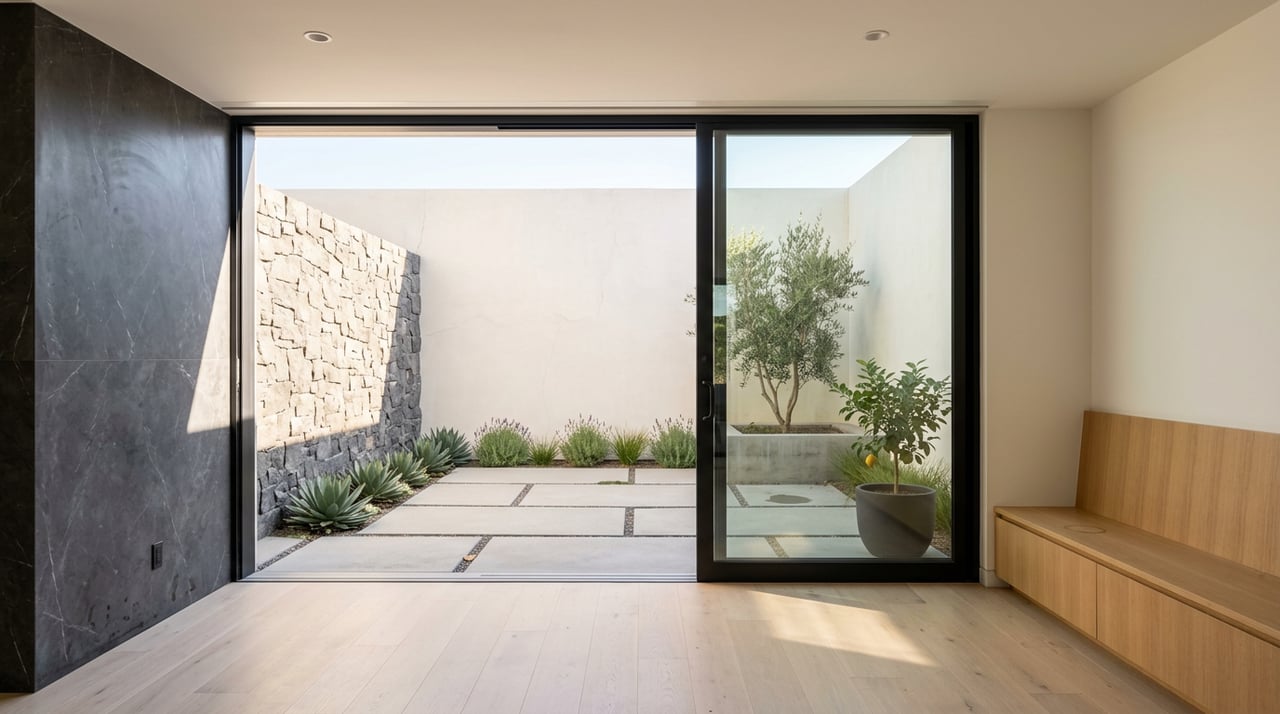
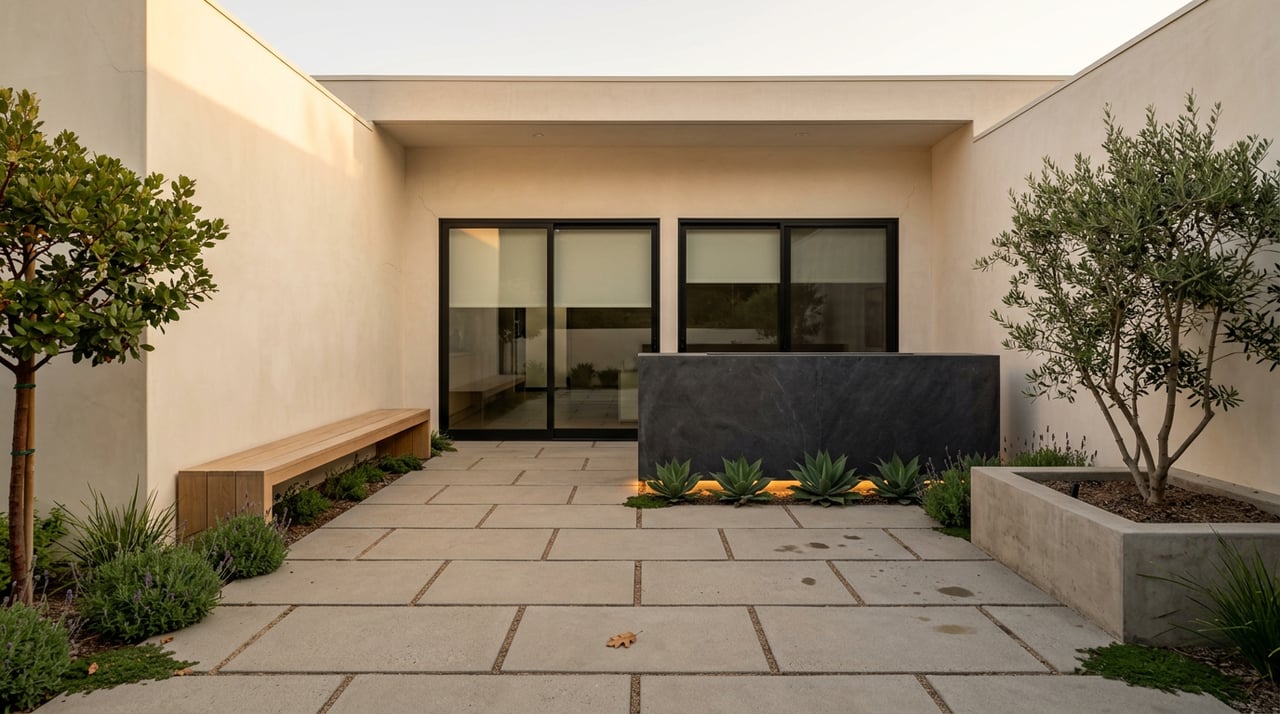
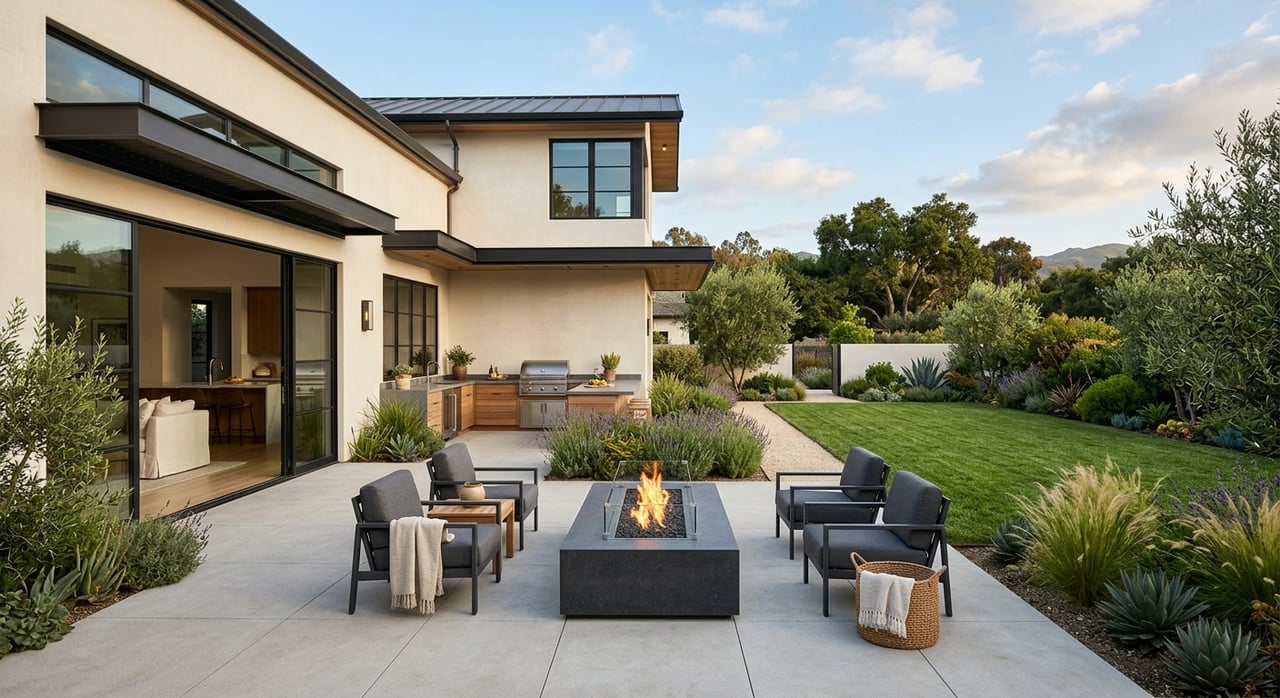
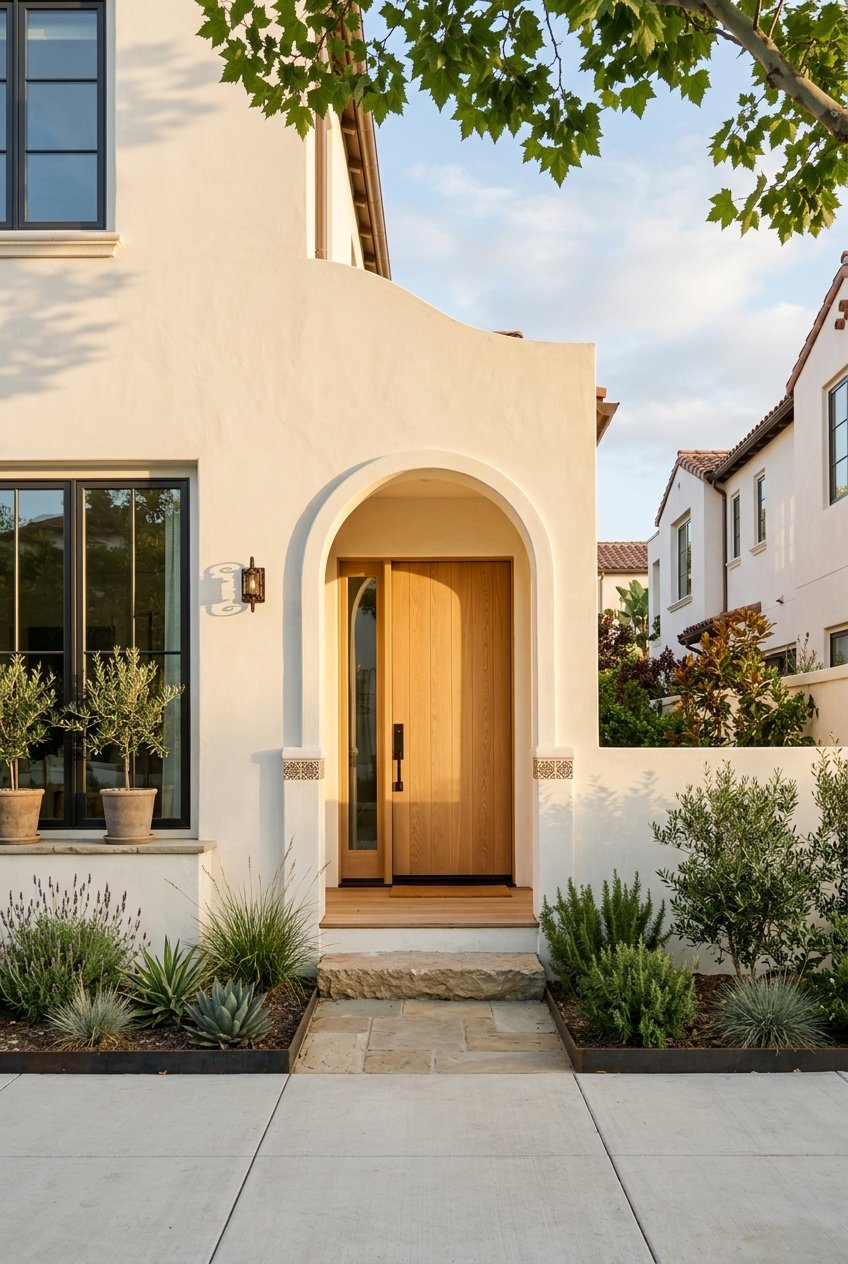
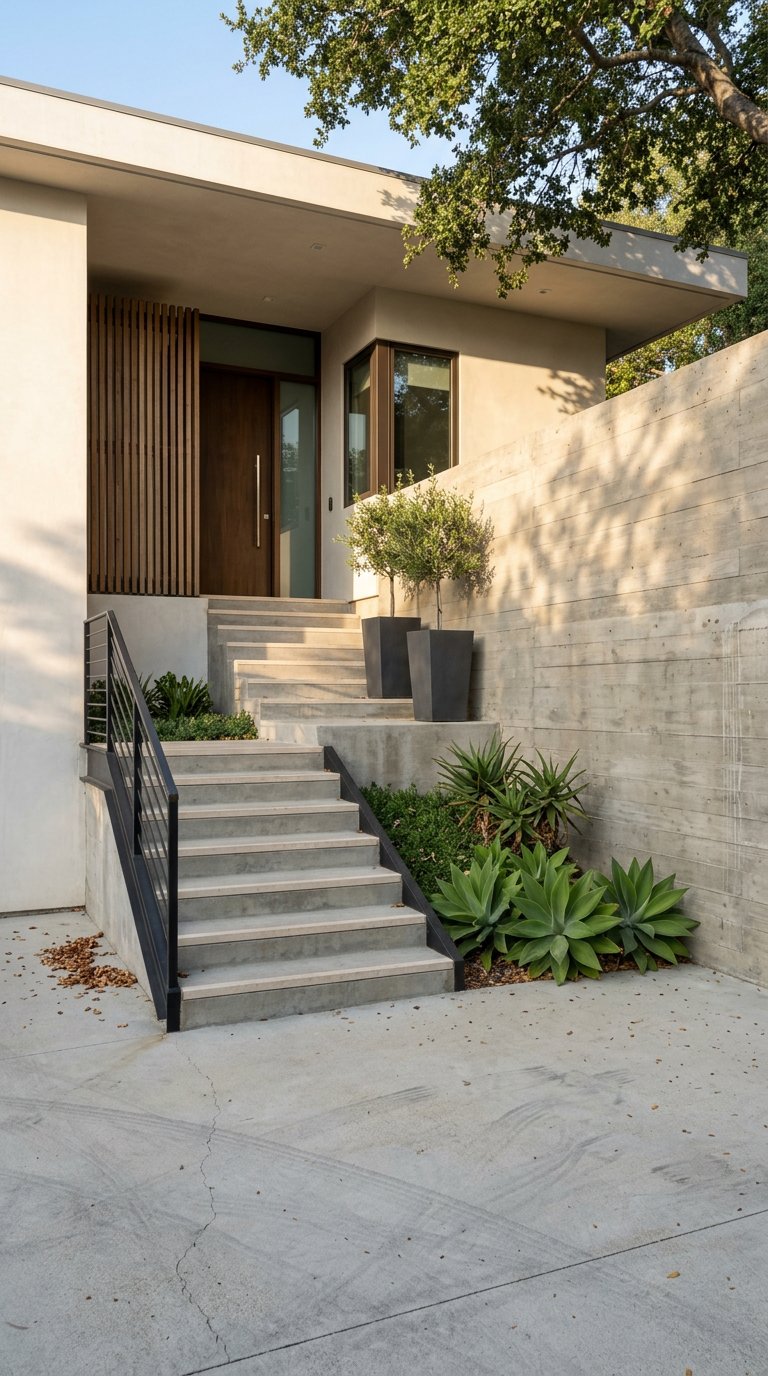
Expect a mix of small historic cottages, Spanish and Mediterranean homes, mid-century icons, and contemporary glass-and-steel builds that chase the view. Homes often step down the slope, with decks, terraces, and long lines of glass to frame sunsets and city lights. These design choices show up throughout Los Angeles architectural coverage and speak to how hillside homes balance steep terrain with indoor-outdoor living (landmark Los Angeles houses overview).
Morning rhythm
Sunrises and quick vistas
Mornings often start quiet and bright. You might roll along Mulholland to a scenic turnout for a few minutes of sunrise or walk up to Lake Hollywood Park for a direct look at the Hollywood Sign. Parking near view spots is limited, so plan on a short walk and an early start for the best light.
Trails and dog walks
Runyon Canyon is a local favorite for short loops, fitness circuits, and dog walks. The park is open sunrise to sunset and includes designated off-leash dog areas, which adds to the friendly morning energy. It is popular, and the city continues to upgrade facilities, including a permanent restroom project under construction in 2026 (Runyon Canyon Park guide). Griffith Park’s larger network sits just to the east, with the observatory and Mount Hollywood trails in reach by a short drive.
Midday flow
Coffee, errands, and eats
Midday, you will likely head to nearby, more walkable pockets for errands and lunch. Los Feliz Village, Vermont and Hillhurst, or Sunset Plaza in West Hollywood offer groceries, cafés, and casual restaurants that serve as everyday stops. Parking is generally simpler on weekdays, and you can be back home in minutes to enjoy canyon light as it shifts across the afternoon.
At-home creative spaces
Hillside homes often act like creative studios. Sunlit living rooms, multi-level layouts, and decks become natural work zones for writing, editing, or calls. You might make coffee at a slim breakfast ledge and work from a terrace table, since many rooms are oriented toward views, not large backyards. This is part of the area’s design DNA, and it shapes your daily routine as much as the neighborhood itself (architecture overview).
Afternoon reality
Driving the slopes
Most households drive for errands and meetings. Steep streets and hairpin turns are normal, so you learn preferred routes fast. Transit can help in certain cases, especially near the Hollywood and Highland hub, and the LADOT DASH Hollywood route connects key local stops if you want a simple, car-light trip for a meeting or Bowl night (DASH Hollywood route).
Deliveries and moves
Deliveries work a bit differently on narrow hillside streets. Oversized trucks may need special planning, and moving days often involve careful coordination. The city issues various on-street permits and manages Preferential Parking Districts that can affect daytime access, so it pays to plan ahead and check block-by-block rules when scheduling movers or contractors (LADOT permits and PPD info).
Evenings out
Bowl nights and shuttles
Summer shows at the Hollywood Bowl are a neighborhood ritual. On concert nights, on-site parking is limited and often stacked, so many residents use park-and-ride or shuttle options. Expect street closures around the venue and concentrated traffic during arrival and exit windows, all managed to protect nearby residential streets (Hollywood Bowl transportation options).
Privacy, views, and sound
Hillside living tends to deliver visual privacy. Landscaping, setbacks, and ridgeline siting help screen homes from the street and neighbors. Still, sound can travel across canyons, and you may hear helicopters or the occasional house party echo after dark. Most nights are calm, with city lights flickering below and cool air moving up the slope.
Practical must-knows
Fire zones and insurance
Much of the Hollywood Hills lies within or near Very High or High Fire Hazard Severity Zones. The Los Angeles Fire Department runs a brush clearance and defensible space program and notifies property owners when inspections require action. Evacuation planning and routine vegetation management are part of responsible hillside living here (LAFD fire severity zone update).
Insurance is an active topic across California, especially for homes exposed to wildfire risk. The state’s FAIR Plan remains the insurer of last resort, and the Department of Insurance continues to advance changes aimed at increasing coverage options. Availability and pricing can vary by property and ZIP code, so it is wise to explore options early when you begin a home search (California Department of Insurance update).
Hillside rules and permits
The city enforces special rules for hillside construction and remodels. The Hillside Construction Regulations and the Baseline Hillside Ordinance shape grading, building massing, haul routes, and site access. For major projects, you should expect geotechnical work, retaining walls or caissons, and careful permitting timelines that reflect the realities of building on steep slopes (LADBS Hillside Construction Regulations).
Parking and guest visits
On-street parking varies block by block, especially near popular trailheads and venues. Some streets operate within Preferential Parking Districts that require permits for residents and limit visitor hours. Before you host a larger gathering, check posted signs to avoid tickets and make a quick parking plan that includes ride-share or shuttle options on busier nights (LADOT PPD overview).
Stairs, driveways, and layout
Prepare for stairs. Many homes are vertical and spread across several levels, with garages set below living spaces. Driveways can be steep or switchbacked to meet safety rules, and newer or luxury rebuilds sometimes include elevators. Inside, you will move between terraces and floors throughout the day, which becomes a natural part of your routine.
Weather, slides, and quakes
Steep Southern California terrain is susceptible to landslides, especially after big storms. Earthquake risk is statewide, and both can interact with slope stability. Geologists recommend careful site evaluation for hillside properties, and buyers often review geotechnical reports and retaining wall histories during due diligence (USGS landslide guidance for Southern California).
Is Hollywood Hills for you?
If you love a day that starts with sky and ends with twinkling city lights, you will feel at home here. Your life will be shaped by views, trails, and a vibrant arts scene, but also by practical habits like checking parking signs and keeping brush clearance current. With the right guidance, you can balance romance and reality, and choose a hillside home that fits how you live.
Ready to explore properties and plan your move with a team that knows the slopes, streets, and rules by heart? Reach out to Angelo Fierro to Start Your White-Glove Consultation.
FAQs
How close are trails to most Hollywood Hills homes?
- Runyon Canyon and Griffith Park are among the most accessible options, but the nearest trailhead depends on your specific street; Runyon is open sunrise to sunset and is popular for short loops and dog walks (Runyon Canyon Park guide).
What are the parking rules for guests in the Hollywood Hills?
- Parking is highly variable by block, and some streets fall under Preferential Parking Districts that require permits, so check posted signs and plan ride-share or shuttles for busy nights (LADOT PPD overview).
How does Hollywood Bowl concert traffic affect the neighborhood?
- On show nights, the Bowl uses park-and-ride and shuttle systems and manages street closures to protect nearby streets, so expect concentrated traffic around arrival and exit windows (Hollywood Bowl transportation options).
What should I know about fire safety and insurance in the Hollywood Hills?
- Many areas are in Very High or High Fire Hazard Severity Zones, so brush clearance and defensible space are required, and insurance availability and pricing can vary by property, so start policy research early (LAFD guidance, California Department of Insurance update).
Are there special rules for building or remodeling in the Hollywood Hills?
- Yes, the city’s Hillside Construction Regulations and Baseline Hillside Ordinance govern grading, size, haul routes, and site access, and major projects often require geotechnical work and engineered foundations (LADBS HCR).